Seasonal Stocking Up Saves
Seasonal stocking up can save money, but the savings come from specific mechanisms: fewer impulse purchases, less food waste, and better unit prices on items you already use. It does not automatically save money just because a sale appears in a flyer. The difference shows up in how much you buy, how long it stays edible, and whether storage conditions stay stable.
For many households, the biggest budget leak is not the sticker price; it is spoilage. If you buy extra and it expires before use, the “deal” becomes a cost. A freezer helps, but it adds electricity use and requires space, and some foods lose texture when frozen. Pantry items avoid freezing issues, yet they still face pests, humidity, and quality loss over time.
Seasonal timing also matters because prices move for reasons that vary by region: harvest volumes, shipping schedules, school and holiday demand, and promotional cycles. A common pattern is that fresh produce peaks near harvest and then rises when supply tightens. Canned and shelf-stable goods often follow different cycles, with promotions that can repeat every few weeks rather than every season.
Main Problems And Pain Points
People often treat seasonal stocking up as a single decision instead of a chain of decisions. The chain starts with estimating consumption, then choosing storage methods, then tracking what you already have, and finally using items before quality drops. When any link breaks, savings shrink.
One frequent mistake is buying “for later” without a consumption plan. If you stock up on a seasonal ingredient but your meal routine changes, you end up with unused items. Another mistake is assuming that a lower price per unit automatically beats a higher price with less waste. Unit price comparisons need a waste-adjusted view, and waste rates vary by household habits.
Storage dependencies drive outcomes. Freezers work best when items are portioned and sealed to reduce freezer burn, and when the freezer temperature stays stable. Refrigerated storage depends on fridge temperature and airflow; overcrowding can slow cooling and increase spoilage risk. Pantry storage depends on humidity and pest control; flour, grains, and nuts can attract insects if containers are not sealed.
Some categories also have health and quality constraints. For example, home canning and long-term storage require safe processing methods and correct headspace and processing times; shortcuts increase food-safety risk. Even without canning, “use by” dates and “best by” dates differ in meaning, and confusion leads to either unnecessary waste or unsafe consumption.
A mild frustration many shoppers experience: the label math. “Family size” packs can look cheaper per ounce, yet they may exceed what you can realistically finish before quality declines. On my own shopping spreadsheet, I once saw a 12% unit-price advantage disappear after I modeled a 20% waste rate for a household that rarely cooks that item. That kind of mismatch is common when the plan is vague.
Solutions And Advice
Start With A Waste-Aware Plan
Estimate how much you will actually use before the next season. Use your last 4–8 weeks of receipts or a simple inventory count to estimate consumption. Then apply a conservative waste assumption for each category: pantry staples often waste less than fresh produce, and frozen items waste less than refrigerated items if portioning is consistent. If you do not know your waste rate, start with a cautious estimate and adjust after one season.
Practical method: create a “use window” for each item. For example, fresh berries may have a 3–7 day window in the fridge depending on ripeness, while frozen berries can last months with quality loss. If an item’s use window is shorter than your planned storage time, you need smaller quantities or a different storage method.
Tools that help: a basic inventory app or a spreadsheet with columns for “on hand,” “buy target,” and “use window.” I used a simple tracker in a Google Sheets template in March 2024 to compare two shopping strategies, and the biggest difference came from tracking what was already in the pantry rather than chasing every sale.
Match Storage To Food Type
Choose storage based on how the food changes over time. Freezing works well for many meats, soups, bread, and many vegetables, but texture can change for items like lettuce or some dairy. Pantry storage works for grains, pasta, canned goods, and spices, yet it requires sealed containers and rotation. Refrigeration works for items you will use soon, not for long-term holding.
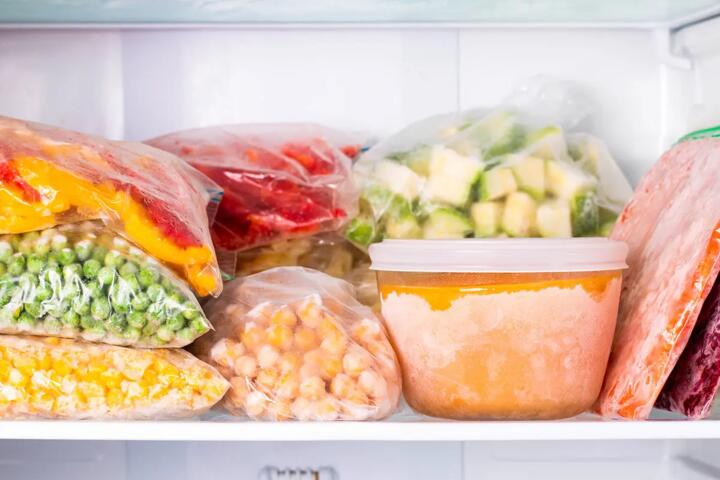
For freezer buys, portioning matters. Use freezer-safe bags or containers, remove excess air, and label with a date. If your freezer has a manual defrost cycle, plan around defrost timing because temperature swings can increase freezer burn and spoilage risk. A thermometer reading can be a reality check; many households run warmer than they think.
For pantry buys, focus on packaging and rotation. Store dry goods in airtight containers and keep them away from heat sources. Rotate using “first in, first out,” and check for signs of pests. If you buy large bags of flour or rice, transferring to sealed containers often prevents insect problems that sales flyers cannot fix.
Use Price Checks With Unit Math
Compare unit prices and then adjust for waste and storage costs. Unit price comparisons should use consistent measures such as price per ounce or per 100 grams. When deals stack, verify the final unit price after coupons and discounts. If you pay for delivery or membership fees, spread those costs across your expected purchases rather than treating them as free savings.
Realistic outcomes depend on category. Pantry staples sometimes show modest savings during promotions, while fresh produce savings vary by local harvest timing and whether you can freeze or preserve what you buy. If you cannot store it safely, the “deal” on fresh items can turn into waste.
A practical rule: only stock up on items you can store without quality collapse. For example, canned tomatoes and dried beans often hold quality well, while certain fresh herbs lose aroma quickly unless frozen or dried. That difference changes whether a seasonal buy actually saves.
Plan Purchases Around Your Calendar
Seasonal stocking up works best when it aligns with your household schedule. Build a short “buy window” for each category: buy pantry staples during predictable sales, buy freezer-friendly items when prices drop, and buy fresh produce in smaller batches closer to use. This approach reduces the need to guess and reduces the chance that you will forget what you already have.
Try a two-step cadence. Step one: restock essentials that you use weekly and store safely. Step two: add seasonal items in quantities that match your meal plan for the next 2–6 weeks. If you buy seasonal items for longer than that, plan a preservation method or accept that some waste may occur.
As a minor aside, I once watched a household buy a large bag of seasonal onions during a sale, then store them in a warm cabinet. The onions sprouted early, and the “savings” evaporated. Storage temperature and airflow mattered more than the sale price.
Case Examples
Family With A Freezer Plan
A family of four tracked their spending for 10 weeks and noticed they bought chicken and soup ingredients more often in winter. They created a freezer plan: portioned chicken into meal-size packs, labeled dates, and used a “use window” of 3–4 months for best quality. They also reduced impulse buys by checking inventory before shopping.
After one season, their savings came mostly from fewer emergency grocery trips and less spoilage of ingredients that previously sat in the fridge. The unit price on chicken was only modestly lower during promotions, but the waste reduction drove the net result. They still bought some fresh produce weekly, because their storage plan did not extend shelf life for produce beyond a short window.
Single Household With Pantry Rotation
A single shopper stocked up on canned goods and grains during a seasonal promotion, but they avoided large fresh produce buys. They used a rotation system: new purchases went behind older items, and they set a reminder to check pantry inventory every two weeks. They also compared unit prices for “value packs” and skipped packs that exceeded their realistic consumption timeline.
Their savings showed up as fewer purchases of pantry staples between promotions. They reported less waste because they stopped buying “just in case” quantities. The biggest improvement came from treating seasonal stocking up as a schedule with a check-in date, not a one-time shopping trip.
Comparison Checklist
| Decision Point | Stock Up | Buy Regularly | What To Verify |
|---|---|---|---|
| Fresh Produce | Small batches; freeze or preserve | Weekly buys closer to use | Use window and storage method |
| Dry Goods | During promotions; sealed containers | When you track consumption closely | Pest risk and rotation dates |
| Meat And Seafood | Portion and freeze promptly | Buy as needed for fridge use | Freezer temperature stability |
| Ready-To-Eat Items | Only if you finish before dates | Buy closer to consumption | “Use by” dates and fridge space |
Step-by-step checklist for a seasonal buy: (1) list items you already use weekly, (2) estimate consumption for the next 2–6 weeks, (3) check storage fit for each item, (4) compare unit prices after discounts, (5) set a “stop buying” point when inventory reaches your use window, and (6) review inventory after the first month. This sequence prevents the common pattern of buying first and planning later, which rarely ends well.
Common Mistakes
Buying too much of perishable items is the most common error. A sale on fresh items does not change the biology of spoilage. If you cannot freeze or preserve it, the only safe “stock up” is a smaller quantity that matches your fridge timeline.
Ignoring storage capacity also causes problems. A freezer that is too full blocks airflow and can lead to uneven freezing. A pantry with poor airflow can raise humidity around dry goods, increasing clumping and spoilage. Storage constraints often get overlooked because the shopping cart feels like the only decision point.
Misreading labels leads to both waste and risk. “Use by” dates relate to safety for many products, while “best by” dates often relate to quality. Confusing the two encourages either throwing away edible food too early or consuming food past a safety-related date.
Another mistake is relying on memory instead of inventory. Without a quick check, households buy duplicates and then forget what they already have. A simple inventory list on a phone note or a paper card on the pantry door reduces duplicate purchases, and it also makes it easier to spot when you have overbought.
FAQ
How Do I Estimate My Real Savings?
Track what you buy during one season, compare unit prices to your usual purchases, and subtract the cost of items you discard. If you do not track waste yet, start with a conservative waste assumption and refine it after you finish the season.
Which Foods Usually Store Best Seasonally?
Dry goods, canned items, and many frozen vegetables and meats store well when sealed and rotated. Fresh produce stores best in smaller batches unless you freeze, dry, or preserve it using safe methods.
Does Freezing Always Reduce Waste?
Freezing reduces waste when you freeze promptly, portion correctly, and keep freezer temperatures stable. Quality loss like freezer burn can still make food less desirable, which can lead to waste even when food remains safe.
Are “Best By” Dates Safe To Ignore?
“Best by” dates typically relate to quality rather than safety, but safety depends on product type, storage conditions, and whether the food shows spoilage signs. “Use by” dates generally carry stronger safety meaning for many products.
How Often Should I Do A Stock-Up Check?
A practical cadence is every 2 weeks for pantry items and every 1–2 months for freezer inventory. Fresh items need shorter cycles because ripeness and spoilage progress quickly.
Author's Insight
Seasonal stocking up saves money when it reduces waste and duplicate purchases more than it increases storage costs and quality loss. The most reliable planning starts with consumption estimates and a use window for each category, then matches storage method to how the food changes over time. Evidence-based food safety guidance focuses on correct storage temperatures, safe preservation methods, and respecting safety-related date labels.
Because households vary in cooking habits and storage conditions, savings estimates should be tested for one season rather than assumed. A short inventory routine and unit-price comparisons after discounts usually reveal whether a “deal” is actually a net gain. When storage capacity or meal patterns do not match the plan, the savings often disappear into spoilage.
Key Takeaways
- Seasonal stocking up saves when it reduces waste and duplicate purchases, not when it simply lowers the shelf price.
- Use a waste-aware plan with a use window for each item, then buy quantities that fit that window.
- Match storage to food type: sealed pantry containers for dry goods, portioned freezing for freezer-friendly foods, and fridge use for short timelines.
- Compare unit prices after discounts, then adjust for realistic waste and storage limits.
- Track inventory for 4–8 weeks to refine assumptions and prevent “sale-driven” overbuying.