Grants Overview and Examples
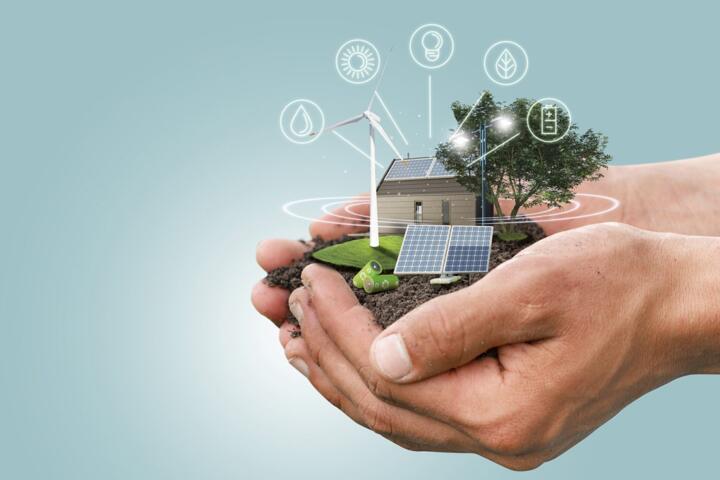
Renewable energy and rural development often intersect when government grants fund projects in underserved communities. For instance, the U.S. Department of Agriculture (USDA) allocated over $1.2 billion in 2023 through programs like the Rural Energy for America Program (REAP) to support solar, wind, and bioenergy installations. Similar funds help rural areas modernize infrastructure, boost energy independence, and create jobs. These grants typically cover up to 25% of project costs but can reach 50% for smaller operations. Such support reduces upfront investment barriers that stall community-led clean energy efforts.
Not every rural project qualifies. Many targets must solve local energy reliability or environmental degradation. One real example: a small town in Iowa installed a 500-kilowatt solar farm after securing a $400,000 USDA grant. This project cut energy costs by 30% and lowered carbon emissions significantly.
Common Pitfalls and Issues
People often mistake grant availability for easy funding. The complexity of applications can overwhelm small groups lacking grant-writing expertise. Many applicants skip critical eligibility checks, wasting months. Missing required permits or failing to meet environmental impact standards causes denials. Rural projects sometimes overlook community buy-in, leading to opposition.
Grants don’t cover all expenses, so projects stall without additional financing. A common scenario: a startup secures partial funding but cannot match the remaining investment, thus delaying construction indefinitely. Worse, lack of follow-up reporting can trigger clawbacks or disqualification from future grants.
Advice and Key Options
USDA Rural Energy for America
This program supports renewable energy systems like solar panels and wind turbines. It offers grants up to $250,000 or loan guarantees covering 75% of project costs. Applications require technical feasibility and financial soundness. In practice, applicants benefit from collaborating with local extension offices or energy consultants. Investments here often increase property values and create 3–5 new jobs per project.
Department of Energy’s Solar Grants
DOE grants focus on innovative solar projects, sometimes coupled with battery storage, to improve rural grid resilience. Awards range from $100,000 to several million dollars depending on scale. Projects using DOE funds report efficiency gains up to 20%, boosting long-term viability. Tools for applicants include the Solar Energy Technologies Office resources and Energy.gov guidance.
State-level incentives
Many states maintain renewable energy incentive programs featuring cash rebates or tax credits targeting rural businesses and farms. Grant sizes vary widely; for example, North Carolina’s Clean Energy Technology Center awarded $500,000 in grants during 2023 to farm-based biogas projects. Leveraging these requires frequent monitoring of state portals and quick responses to application windows.
Community Development Block Grants (CDBG)
CDBG funds, administered by HUD, support rural infrastructure upgrades including energy systems. While broader in scope, linking energy improvements to economic revitalization helps secure CDBG funds. Typical awards span $100,000 to $1 million, focusing on low-to-moderate income areas. Incorporating local workforce training strengthens applications.
Private-public partnership grants
Some grants emerge from collaborations between government agencies and private companies. The Energy Alliance Project, initiated in 2022 with federal backing, matches grants with corporate investment for wind projects in rural Midwest counties. This hybrid funding model accelerates installations and scales impact.
Technical assistance grants
Besides capital, technical assistance grants help rural entities hire energy auditors or planners. These modest grants—often under $50,000—improve proposal quality and reduce risk. The National Renewable Energy Laboratory (NREL) offers guidance here, including software tools and training workshops.
Application tips and tools
Grantwriting platforms like Grants.gov are basic but miss some requirements nuances. Employing specialized services or tapping local non-profit resources often pays off. Track deadlines accurately; the average rural energy grant application takes 40–60 hours. Drafting clear impact statements, backed by data such as projected kilowatt-hours saved, enhances credibility.
Energy audits and feasibility studies
Securing funding depends on a solid initial analysis. For example, some USDA grants require an energy audit verifying the need and projected savings. Costs typically run $2,500–$10,000. Conducting these upfront can speed approval. Many rural cooperatives offer subsidized audits to reduce this barrier.
Reporting and compliance management
Recipient organizations must submit progress reports, usually quarterly. Software tools like SAP Grants Management or Microsoft Power BI dashboards—yes, a bit fancy for a farm grant—can simplify data collection and presentation. Compliance failures risk losing funds and reputational harm.
Case Studies on Grants
A Midwest farming cooperative wanted to cut diesel use and improve productivity. They applied for a USDA REAP grant, requesting $300,000 to install solar-powered irrigation pumps. To raise matching funds, they leveraged state agricultural incentives. Within 18 months, diesel consumption dropped by 45%, and annual energy expenditure fell by $120,000.
On the other coast, a rural New Mexico town used HUD’s CDBG funds to retrofit street lighting with LED solar lamps. This $600,000 project created 10 jobs locally and cut municipal electricity bills by 38%. The project also included training sessions, encouraging local entrepreneurs to pursue related energy projects.
Grants Checklist and Table
| Program | Funding Type | Max Grant | Typical Use |
|---|---|---|---|
| REAP (USDA) | Grant & Loan | $250,000 | Solar, wind, bioenergy |
| DOE Solar Grants | Grant | Varies, up to $5M | Innovative solar setups |
| CDBG (HUD) | Grant | $1 million | Infrastructure, lighting |
| State Incentives | Grant/Rebate | Varies | Energy upgrades |
Major application errors
Apply early. Missing deadlines disqualifies instantly. Pay attention to documentation completeness. Too often, projects get rejected because they omit licenses or proper environmental assessments. Grant writers sometimes inflate projected savings to impress funders, which backfires during audits. Poor community engagement hampers implementation and future funding chances. Tracking expenses and outcomes accurately can feel tedious, but grants depend on it.
Also, don’t ignore matching-fund rules. Some applicants assume in-kind work counts but it rarely does if not documented properly.
FAQ
How do I find grants for my rural energy project?
Start with Grants.gov and USDA websites, then check state energy offices. Local cooperative extensions often maintain lists of current opportunities.
Are there grants for solar panels on farms?
Yes, USDA's REAP often funds solar installations on agricultural properties, covering up to 25-50% of project costs.
Can non-profits apply for renewable energy grants?
Many programs, including DOE and HUD’s CDBG, allow non-profits to apply if the project benefits the community.
What documentation do I need for grant applications?
Typical requirements include project proposals, budgets, energy audits, environmental assessments, and financial statements.
Do grants cover installation and maintenance costs?
Most grants focus on installation capital costs. Maintenance is usually the responsibility of the recipient organization.
Author's Insight
Having navigated multiple agencies’ funding paths, the biggest hurdle isn’t technical complexity but persistence. Writing a successful grant means communicating overall impact clearly and backing claims with hard numbers. Beyond financials, relationship building with agencies and local stakeholders smooths many hurdles. Reporting requirements, which many overlook at the start, demand organized documentation systems from day one; lack of this discipline almost sank one of my projects in 2022.
Final Thoughts
Government grants form a vital resource to reduce financial hurdles for rural renewable energy initiatives. Identifying the right program and preparing detailed, compliant applications determines success. Invest in energy audits, planning, and community support early. Track all activities—from proposal drafting to post-installation reporting. Regularly revisit eligible programs and adapt strategies to funding trends. With focus, rural projects can harness public funds to cut energy costs, improve infrastructure, and stimulate local economies.