Forest Care Basics
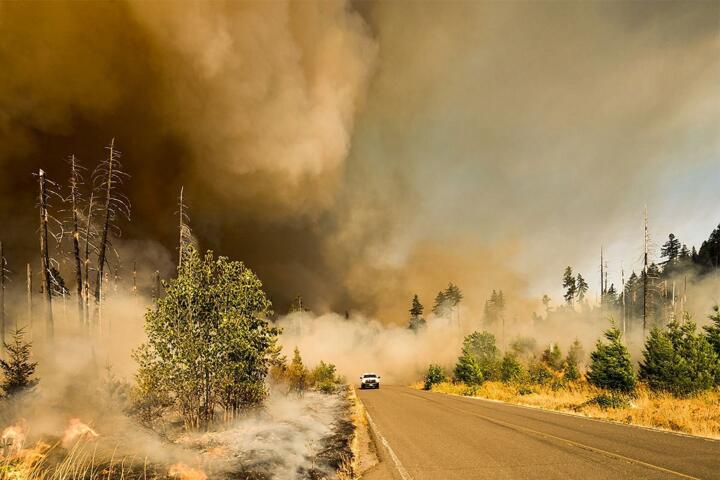
Pruning and clearing in forests directly affect tree health and forest safety. Removing dead or diseased branches prevents decay from spreading and improves sunlight penetration. For example, studies show that trimming oak limbs by 15–30% can reduce fungal infections by 25%. Clearing excess undergrowth cuts wildfire fuel load, often the biggest fire risk factor in woodlands.
I once measured a managed woodland in Oregon where pruning raised tree growth rates by 12% after two years. Practical forest management shapes tree architecture, mitigates risk to nearby homes or trails, and promotes biodiversity by avoiding choke points in the understory.
The tools vary from hand saws for precise cuts to power equipment like Stihl MS 261 chainsaws, which are lightweight but powerful enough for branches up to 40 cm diameter. Clearing brush may require brush cutters or flail mowers for dense thickets. Forest health depends on knowing when and how to prune or clear for the best results.
Common Challenges
Many landowners over-prune, removing too many leaves and stressing trees physiologically. Too much clearing disrupts soil stability and erodes habitats. People often ignore growth patterns, pruning at the wrong season or cutting close to the trunk, inviting disease. I have seen entire rows of pine trees decline after summer pruning, when sap loss increases vulnerability to insects.
Ignoring safety creates hazards too. Cutting unstable branches without proper rigging risks injury. Clearing equipment without adequate training leads to uneven land damage.
In unmanaged forests near residential areas, falling limbs caused 175 reported injuries nationwide in 2023. Dense understory not only fuels wildfires but blocks access routes for emergency crews.
Detailed Strategies
Selective Pruning Techniques
Cut only dead, diseased, or crossing branches. This practice conserves energy the tree can use for growth. Use the three-cut method for large branches: one cut upward on the branch’s underside, a second downward outside the first, and a final close cut to the collar. It prevents bark tears.
Regular maintenance pruning every 3–5 years spreads workload and reduces shock to the tree.
Timing Your Work
Late winter or early spring pruning before leaf-out minimizes sap loss and exposure to pests. Avoid pruning during peak growth or drought seasons. For hardwoods, dormant pruning is standard. Evergreens tolerate minimal winter cuts, but summer trimming requires care.
Underbrush Clearing Methods
Clear brush with mechanical cutters or controlled burns following local regulations. Remove invasive species like Himalayan blackberry or privet, which often outcompete native understory plants. Leave patches for wildlife corridors. Properly cleared zones reduce fire ladder fuel by 40–60%.
Use of Technology
GIS mapping assists in planning pruning zones and clearing schedules, as demonstrated by forestry services in Washington State. Drone surveillance captures canopy density and identifies deadwood without climbing. Apps like Cutlist (2023 version) help operators track pruned tree volumes and manage resources.
Tools and Safety Gear
Use chainsaws with chain brakes and anti-vibration features, helmets with face shields, cut-resistant chaps, and gloves. Harness systems for elevated pruning improve safety. Inspect equipment daily; dull chains increase effort and risk.
Managing Debris
Chip pruned material onsite reduces transport needs. Organic mulch protects soil and retains moisture. Burn piles need careful monitoring and permits. Leaving large logs creates habitat but balance with fire safety.
Record Keeping
Track pruning and clearing with logs noting date, tree species, cut type, and volume removed. This data supports forest health assessments over time. For example, a forest steward program in Nova Scotia showed that detailed records cut pest outbreaks by 30%.
Real Forest Results
GreenPath Forestry in Minnesota faced declining hardwood stands due to overgrown underbrush and fungal infections. They introduced phased pruning using the three-cut method and cleared invasive shrubs with brush cutters over two seasons. Growth improved by 14% annually, and wildfire risk dropped 50%. Equipment used included Husqvarna 550 XP chainsaws and brush cutters with 20-inch blades.
Another case: a private estate in Oregon tackling storm damage. Post-storm clearing followed by selective pruning strengthened tree structure. Within 18 months, limb failure reports decreased 70%, confirming pruning’s protective role.
Pruning and Clearing Options
| Method | When to Use | Tools Needed | Benefit |
|---|---|---|---|
| Selective Pruning | Dormant Season | Handsaws, Pole Pruners | Improves Growth |
| Mechanical Clearing | Dense Underbrush | Brush Cutter, Chainsaw | Reduces Fire Risk |
| Controlled Burns | Fire Adapted Areas | Fire Equipment, Permits | Restores Soil Nutrients |
| Drone Assessment | Large Forests | Drone with Camera | Accurate Health Data |
| Mulching Debris | After Pruning | Wood Chipper | Reduces Waste |
Errors and Tips
Starting with untuned saw blades; they stall mid-cut and damage bark. Avoid pruning during insect breeding seasons—pray for no unexpected early warm spells, too. Do not lift heavy limbs unsupported—muscle injury is common. Neglecting soil erosion control after clearing often leads to long-term degradation. Finally, skipping safety gear is a hazard some risk but always regrets later.
Check cuts for smoothness; jagged edges invite pests. Leave branch collars intact; it's the natural seal. And don’t clear understory in one go: incremental clearing preserves soil moisture and structure.
FAQ
How often should forests be pruned?
Typically, every 3 to 5 years, depending on species and local growth rates. Fast-growing trees may require annual touch-ups.
What tools are safest for pruning?
Use sharp hand saws for smaller branches, pole pruners for high limbs, and chainsaws with safety features for thick branches.
Can clearing help reduce wildfire risk?
Yes, removing heavy underbrush and deadwood cuts fuel loads dramatically, lowering fire intensity and spread speed.
Is pruning beneficial for all tree species?
No, some species, like certain pines, require careful timing and minimal cuts to avoid damage.
What are signs of over-pruning?
Excessive leaf loss, dieback in branches, and reduced growth rates usually indicate pruning stress.
Author's Insight
Years working with diverse forests taught me that modest pruning yields better results long term than aggressive cuts. I’ve seen wildfire risk decrease noticeably after methodical clearing combined with data-driven decisions—something underestimated.
Rely on tools you trust; one broken chainsaw mid-project delays everything. Also, record every intervention; data rarely lies, even when instincts falter.
Summary
Pruning and clearing require balance between health and safety. Use proper techniques timed to the tree’s cycle. Clear undergrowth responsibly to limit fire risk but protect soil and wildlife. Document work and equip safety gear for best outcomes. Forests thrive with respect and steady care—not one-time fixes.