Natural Pool Basics
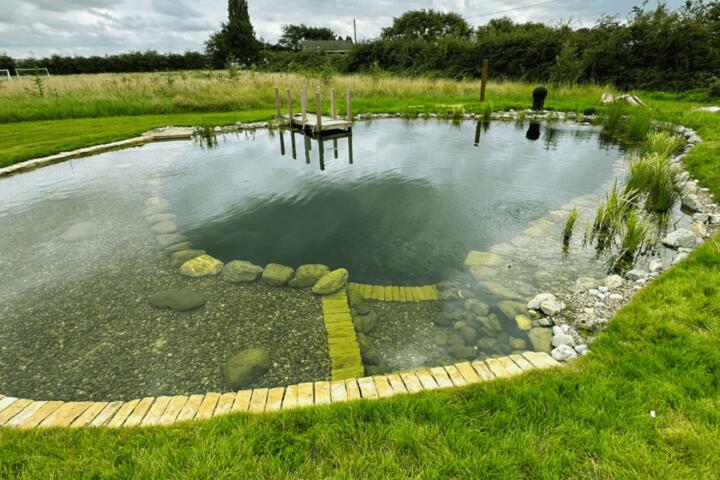
Natural swimming ponds mimic ecosystems, blending swimming zones with regeneration areas. These ponds combine physical filtration with biological processes to maintain water purity. In Europe alone, natural pools cover over 10,000 square meters of private landscapes, showing a growing preference for chemical-free alternatives. The filtration system relies mostly on plants like water lilies, reeds, and submerged oxygenators that metabolize nutrients and trap sediments.
Such pools avoid harsh chemicals by balancing algae and bacteria, making them safe for swimmers. Water circulates slowly through gravel beds to be cleaned naturally.
Design includes two distinct areas: one for swimming and another for cleaning. That separation is key. Some setups use a separate regeneration zone that occupies 50% of the total pond area, offering ample space for natural filtration to take place.
Filtration Challenges
Many people underestimate biological filtration’s complexity and attempt oversimplified setups. Poorly designed ponds often experience green water or foul odors due to algae blooms. Neglecting the balance between nutrient input and filtration capacity leads to unstable ecosystems. For example, too much fish feed, organic debris, or sunlight can overwhelm the natural filters.
Runoff from fertilized gardens feeding the pond sparks algae overgrowth rapidly—a swift shift from clear to murky. In urban settings with limited space, insufficient regeneration zones cause compromised water clarity. Lack of proper circulation intensifies stagnation. This ecosystem imbalance creates maintenance headaches, contradicting the ‘natural’ appeal.
Don’t assume adding plants is enough. The system requires constant monitoring of oxygen levels, temperature, and nutrient cycles.
Filtration Methods That Work
Regeneration Zones
Physically separate swimming and filtration areas by dedicating 40–60% of the pond’s volume to regeneration. This section contains multi-layered gravel and diverse aquatic plants. Water flows slowly through this zone where roots host beneficial bacteria that consume organic waste and excess nutrients. Constructing a two-chambered liner system prevents mixing sediments with swimming water.
Plant Selection
Choose emergent plants like cattails and bulrushes that oxygenate water and uptake nitrogen compounds. Submerged oxygenators, such as Ceratophyllum demersum, support fish and microbial life by increasing dissolved oxygen levels. Avoid fast-growing algae forms; instead, encourage complexes that stabilize the ecosystem. Natural filtration depends heavily on robust plant health.
Biological Filters
Add layers of gravel sized 10-40 mm for mechanical filtering combined with biofilm cultivation on surfaces. Porous substrates like lava rock or expanded clay provide ample surface for bacterial colonies. These colonies convert harmful ammonia and nitrites into less toxic nitrates, supporting plant nutrition. The biofilter’s effectiveness depends on constant water circulation at around 1,000 liters per hour per 10 square meters of regeneration zone.
Water Circulation
Install low-energy pumps and fountains to keep water moving between zones. This prevents stagnation, distributes oxygen evenly, and maintains temperature balance. For example, using a 24V DC pump model EHEIM 1262 consumes less electricity and runs quietly, promoting an effortless flow. Circulation intervals can be scheduled with a basic mechanical timer; however, many pond owners run pumps continuously during swimming season.
Fish and Wildlife Integration
Selected fish species such as goldfish or koi contribute to nutrient cycling but should not be overstocked. Excess fish waste disrupts the natural balance. Introducing aquatic insects or amphibians provides additional biological control over algae and mosquito larvae. Nevertheless, many ponds falter on this front due to ignorance of ecological relationships.
Seasonal Maintenance
Remove dead plant material and accumulated sediments before winter. Barely touching the mineral bed prevents disturbing bacterial colonies vital for spring recovery. In early spring, reintroduce aquatic plants gradually to avoid nutrient spikes. A handheld paddle net with 10mm mesh size works well to clear debris without damaging plants or scaring fish.
Testing and Monitoring
Regularly test water for pH (ideally 6.8–7.2), dissolved oxygen (above 6 mg/L), and nitrates below 10 mg/L. Use affordable kits from brands like JBL or API. These indicators show how well your biological system adapts. Most failures occur from neglecting these parameters.
Natural Clarifiers
Introduce powdered zeolites or diatomaceous earth sparingly to adsorb suspended particles. These add minor but helpful chemical binding without introducing synthetic substances. Limit dosing to below 5 g per 1000 liters to avoid disturbing the ecosystem.
Sample Projects
A German family’s 120 m² pond initially suffered algae surges. They redesigned with a 60 m² regeneration zone, added 25 kg of mixed gravel, and planted 25 species, including Myriophyllum spicatum and Schoenoplectus. After six months, water clarity improved by 70%, measured via Secchi disk transparency, and swimming was restored without chemicals.
Elsewhere, a Canadian eco-resort used a modular filter basin filled with 30 tons of bioballs and lava rock. Incorporating solar-powered pumps sustained circulation, reducing maintenance time by half during the busiest months.
Checklist for Success
| Element | Target Value | Typical Tools | Notes |
|---|---|---|---|
| Regeneration Area | 40%-60% surface | Gravel, plants | Separate from swim zone |
| Water Flow | 1000 L/h per 10 m² | DC Pump, timer | Continuous recommended |
| Oxygen | Above 6 mg/L | Test kits | Boost with aerators |
| pH Range | 6.8–7.2 | Digital tester | Stable aquatic life |
| Nitrates | <10 mg/L | Water test kit | Check bioload |
| Plant Coverage | 70%-85% regen zone | Native aquatic species | Oxygen sources |
Common Pitfalls
New natural pond builders often skip proper separation of swimming and regeneration areas, leading to muddied water. They might overload ponds with fish, feeding them more than they can process biologically, which spikes ammonia dangerously. Installing oversized pumps confuses some — creating turbulence that damages delicate plants and stirs sediments.
Ignoring water parameter testing leads to unnoticed imbalances until visible problems arise. Several pond owners also avoid seasonal cleanups, piling organic matter that kills beneficial bacteria. Skimping on plant diversity blocks proper filtration, reducing habitat resilience. Avoid these by following gradual, stepwise introductions of flora, fauna, and mechanical parts.
FAQ
Can natural ponds handle swimming volume?
Yes, if regeneration zones cover about half the pond area and filtration plants thrive. Overcrowding and excessive swimmers stress the system.
How often must water be tested?
Testing monthly during warm seasons catches early shifts. Winter checks can be less frequent as biological activity slows.
Are fish necessary?
Fish add nutrient cycling but can overload waste. Use a moderate number balanced with plants for natural filtration.
What plants excel for filtration?
Cattails, bulrushes, water lilies, and hornwort promote oxygenation and nutrient uptake, assembling the backbone of natural cleanup.
How to control algae without chemicals?
Stable plants and bacteria outcompete algae for nutrients. Adequate shading, circulation, and proper nutrient management prevent blooms.
Author's Insight
I’ve built and maintained three natural swimming ponds over the last decade, learning that patience beats rushing installations every time. Even slight changes in plant mixtures or water flow dramatically affect clarity. Testing tools that worked well for me include the JBL ProScan brand—simple but reliable. Avoiding chemicals isn't just an environmental choice; it also cuts long-term costs and health risks related to traditional pools, which, frankly, most overlook. Regular observation, not complicated tech, secures clean water.
Summary
Creating a chemical-free swimming pond demands deliberate design focusing on regeneration areas, strategic plant selection, biological filters, and steady circulation. Maintain balance by monitoring water quality and seasonal upkeep. Avoid overloading fish or skipping cleanup steps. Embrace small adjustments and learn your pond’s rhythms; the payoff delivers safe, clear water inviting swimmers without a touch of chemical intervention.