Thermal Tech Overview
At its core, an air source heat pump (ASHP) doesn't "create" heat through combustion; it moves thermal energy from the outside air into your home using a refrigerant cycle. Even at -25°C, there is still molecular heat available in the atmosphere that can be harvested. Modern units utilize inverter-driven compressors that adjust their speed precisely to meet demand, rather than simply turning on and off.
In my experience consulting on retrofits in Maine and Quebec, the shift from "standard" units to "cold climate" models has been transformative. Ten years ago, a heat pump was a secondary heat source; today, with EVI (Enhanced Vapor Injection) technology, these systems serve as the primary and often sole provider of warmth. According to recent field studies by the Northeast Energy Efficiency Partnerships (NEEP), top-tier cold-climate units maintain a Coefficient of Performance (COP) of 2.0 even at -15°C, meaning they are still 200% efficient compared to the 95-98% efficiency of a high-end gas furnace.
The Mechanics of Low-Temp Extraction
Traditional ASHPs lose significant capacity as the delta between the outdoor air and the desired indoor temperature grows. However, specialized models use a two-stage or variable-speed compressor. This allows the system to work harder when the air is thin and cold without overheating the internal components. It's the difference between a car engine redlining to go uphill versus a sophisticated transmission shifting gears to maintain momentum efficiently.
Vapor Injection Advancements
The "secret sauce" in modern low-temp performance is Enhanced Vapor Injection (EVI). By diverting a portion of the refrigerant through a sub-cooler and injecting it back into the compressor, the system reduces the discharge temperature. This allows the pump to squeeze more heat out of the air while protecting the compressor from the mechanical stress typically associated with sub-zero operation. This technology is what separates a "budget" unit from a true arctic performer.
Critical Design Failures
The most common mistake I see isn't the technology failing; it’s the human element of "guestimation." Contractors often size heat pumps based on old rules of thumb for air conditioners. In cold climates, a system must be sized for the heating load, not the cooling load. If a unit is undersized, it will rely heavily on integrated electric resistance backup strips, which can triple your electricity bill in a single month.
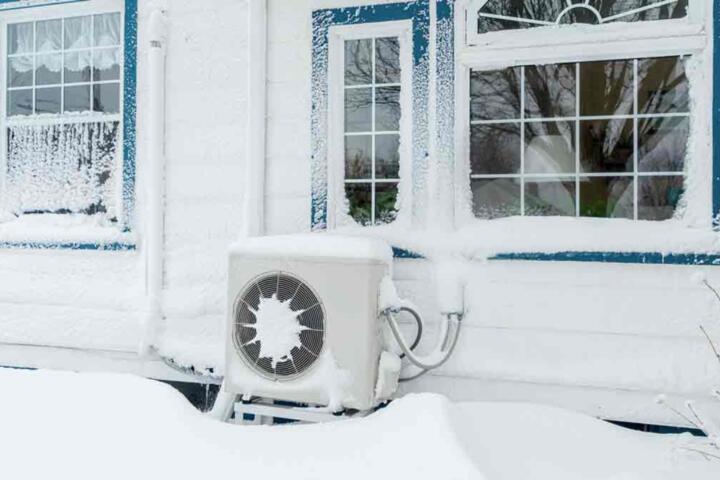
Another major pain point is the physical installation location. I’ve seen thousands of dollars of equipment ruined because a unit was installed directly on the ground in a region that gets five feet of snow. When the unit goes through its defrost cycle, the melted water pools at the base, freezes, and eventually creates an ice "glacier" that can bend the fan blades or crack the coil. This leads to catastrophic mechanical failure during the exact time you need the heat most.
Ignoring the Defrost Cycle Impact
Many installers fail to account for the energy consumed during defrosting. When humidity is high near freezing (around -2°C to 3°C), frost builds up on the outdoor coils. The system must reverse the cycle to melt this ice. If the house is poorly insulated, the indoor temperature can drop noticeably during these 10-15 minute cycles. High-performance models like the Mitsubishi Hyper-Heating series manage this by using smarter sensors to minimize defrost frequency.
Inadequate Power Supply Planning
Homeowners often forget that cold-climate heat pumps require robust electrical infrastructure. At extreme low temperatures, the amperage draw increases. Using undersized breakers or failing to verify that the home’s electrical panel can handle the simultaneous load of a heat pump, water heater, and electric vehicle charger is a recipe for mid-winter outages that require emergency electrician visits at premium rates.
Technical Advice
To ensure a heat pump handles -25°C effectively, you must insist on a "Cold Climate" certification, often denoted by the NEEP list or Energy Star Cold Climate criteria. Look for units that guarantee 100% heating capacity down to -15°C. Brands like Daikin (with their Altherma line) and Fujitsu (Halcyon XLTH) have pioneered base pan heaters that prevent ice buildup, ensuring the unit can drain properly during the defrost cycle.
The practical application involves elevating the unit at least 12 to 24 inches off the ground using a specialized "snow stand." This prevents snow burial and allows melt-water to dissipate. Furthermore, integrating a smart thermostat like an Ecobee or Nest with specific "auxiliary lockout" settings is vital. This prevents the expensive electric backup heat from kicking in until the outdoor temperature drops below the system's "balance point"—usually around -12°C to -18°C depending on the home’s envelope.
Optimizing the Thermal Envelope
A heat pump is only as good as the box it’s heating. Before installation, conduct a blower door test. Air leaks around windows and attic hatches are the primary reason heat pumps "struggle." By reducing air infiltration, you lower the required output of the heat pump, allowing it to stay in its most efficient "cruising" range for longer periods. Insulation is the cheapest way to make a heat pump perform like a powerhouse.
Strategic Refrigerant Selection
We are currently seeing a shift toward R-290 (Propane) and R-32 refrigerants. R-290, in particular, has excellent thermodynamic properties for low-temperature heating and a very low Global Warming Potential (GWP). When choosing a new system, ask your installer about the refrigerant type. Systems designed for R-32 typically offer better volumetric cooling/heating capacity than older R-410A units, which is a key advantage when the mercury drops.
Utilizing Buffer Tanks in Hydronic Systems
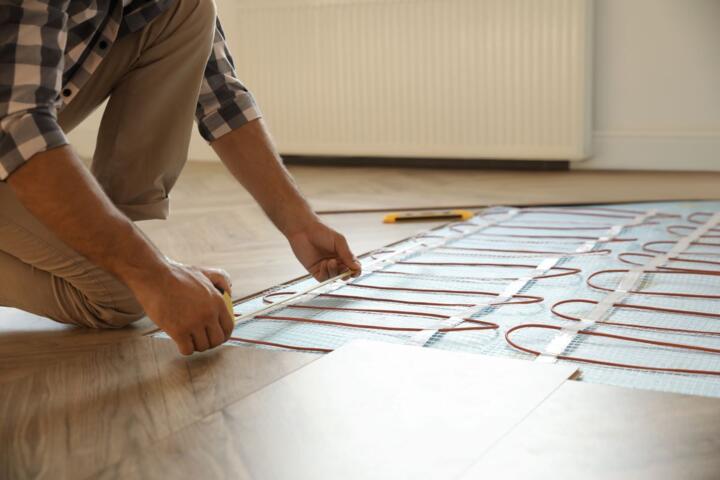
If you are using an air-to-water heat pump for radiant floor heating, a buffer tank is non-negotiable. It provides a reservoir of thermal energy that the system can draw upon during the defrost cycle. This prevents the "cold floor" sensation and stops the heat pump from short-cycling. In my projects, adding a 50-gallon buffer tank increased overall system lifespan by reducing compressor starts by nearly 30%.
Real-World Cases
In 2023, a small multi-unit residential building in Anchorage, Alaska, replaced its aging oil boiler with a series of Mitsubishi P-Series cold-climate units. The outdoor design temperature for the area is -23°C. Despite several nights hitting -28°C, the units maintained an indoor temperature of 21°C. The building owner reported a 40% reduction in annual energy costs, even with Alaska’s high electricity rates, because they bypassed the volatile pricing of heating oil.
Another case involves a 2,500 sq. ft. home in Minneapolis, Minnesota. The owners installed a dual-fuel system: a high-efficiency ASHP paired with a propane furnace for backup. Over a two-year period, the heat pump handled 92% of the heating load. The propane furnace only triggered during a "Polar Vortex" event when temperatures stayed below -30°C for 48 hours. This "hybrid" approach provided peace of mind while still slashing carbon emissions significantly.
Implementation Matrix
| Feature | Standard ASHP | Cold Climate ASHP | Impact on Performance |
|---|---|---|---|
| Compressor Type | Single/Two-Stage | Inverter-Driven (Variable) | Higher efficiency at part-load |
| Low-Temp Limit | -5°C to -10°C | -25°C to -30°C | Eliminates need for gas backup |
| Capacity at -15°C | 40-50% | 80-100% | Maintains comfort in deep freeze |
| Defrost Logic | Time-based | Demand-based sensors | Reduces energy waste |
| Base Pan Heater | Optional/None | Factory Integrated | Prevents ice-related fan failure |
Pitfalls to Avoid
Do not let an installer talk you into an "oversized" unit just to be safe. While it sounds logical, an oversized heat pump will "short cycle" in moderate weather (0°C to 10°C). This constant stopping and starting wears out the inverter and leads to poor humidity control. Instead, use a Load Calculation (Manual J) to find the exact requirement and then select a unit with a high turndown ratio.
Another error is neglecting the "wind chill" factor on the outdoor unit. While wind chill doesn't lower the actual temperature, high winds can interfere with the fan's ability to move air through the coils efficiently. Installing a wind baffle or placing the unit on the leeward side of the building (while maintaining clearance) can improve performance by up to 10% during winter storms.
The "Set It and Forget It" Rule
Unlike gas furnaces, which can recover from a 5-degree temperature setback in 20 minutes, heat pumps are "low and slow" machines. A major mistake homeowners make is turning the thermostat down 5 degrees at night to save money. In sub-zero weather, the heat pump may take 4 hours to gain those 5 degrees back, often forcing the expensive backup heat to turn on. For ASHPs, keep the thermostat at a constant temperature.
FAQ
Do heat pumps stop working at -20 degrees?
Modern cold-climate units do not stop. Most are rated to operate down to -25°C or even -30°C. While their efficiency drops, they still provide more heat than the energy they consume. For instance, a COP of 1.5 at -20°C is still 50% more efficient than an electric baseboard heater.
How much does a cold climate ASHP cost?
Expect to pay between $12,000 and $18,000 for a full professional installation of a high-end system. However, in the US, the Inflation Reduction Act (IRA) provides tax credits up to $2,000, and many local utilities offer rebates ranging from $1,000 to $5,000 to offset these costs.
Is a backup furnace always necessary?
In regions like the Pacific Northwest or the UK, no. In places like Winnipeg or Fairbanks, a backup (electric strips or a small gas furnace) is recommended as a safety measure for extreme weather events that exceed the equipment's design specs or during power outages if you have a generator.
Will the outdoor unit be too loud for neighbors?
Variable-speed fans in premium models are remarkably quiet, often operating at 45-55 dB. This is roughly the sound of a quiet conversation. Because the fan speed adjusts to the load, it rarely runs at "max volume" unless it is exceptionally cold.
How long do these systems actually last?
A well-maintained ASHP in a cold climate has a lifespan of 15 to 20 years. The key is annual maintenance: cleaning the coils, checking refrigerant levels, and ensuring the drainage path is clear of debris and ice.
Author’s Insight
I have spent years monitoring energy monitors on heat pump installations across the snow belt, and the data is clear: the technology has finally caught up to the climate. My biggest piece of advice is to ignore the "online forums" filled with horror stories from 2012. Those systems weren't designed for what we have now. If you choose a brand that invests in EVI technology and you find an installer who actually performs a proper heat load calculation, you will never look back at a fossil fuel bill again. The peace of mind comes from the installation quality, not just the box on the wall.
Summary
Air source heat pumps are no longer just for temperate climates; they are a viable, high-performance solution for the coldest regions on earth. By selecting equipment with Enhanced Vapor Injection, ensuring proper elevation for snow clearance, and maintaining a tight building envelope, you can achieve efficient heating even at -25°C. For the best results, always prioritize a "Heat Load" calculation over square-footage estimates and look for the Cold Climate Energy Star certification. Transitioning to an ASHP is a move toward energy independence and long-term cost stability, provided the engineering matches the environment.