Infrastructure Autonomy
Monitoring water systems in remote areas—such as agricultural pumping stations, seasonal cabins, or telecommunication cooling loops—requires a shift from reactive maintenance to proactive automation. Unlike urban settings, a burst pipe in a remote zone can run for weeks, leading to foundation erosion, mold proliferation, and astronomical utility bills before a human ever sets foot on the property.
Modern solutions utilize LPWAN (Low-Power Wide-Area Network) technologies like LoRaWAN or Sigfox to transmit data across miles without relying on cellular signals or local Wi-Fi. In practice, a rancher in West Texas can monitor tank levels and flow rates from a smartphone 50 miles away, receiving an instant alert if a cattle trough valve fails or a main line ruptures.
Industry data indicates that a standard 1/2-inch copper pipe burst can discharge over 250 gallons per hour. In a remote facility left unchecked for just 10 days, this results in 60,000 gallons of wasted water and an average remediation cost exceeding $15,000, excluding structural repairs.
Critical Vulnerabilities
The most common failure in remote water management is the reliance on "dumb" infrastructure that lacks feedback loops. Many operators assume that if the pump is off, the system is safe, ignoring the reality of gravity-fed leaks or thermal expansion failures. Without granular data, a slow 0.1 gallon-per-minute leak remains invisible until it undermines a building’s slab.
Environmental factors in isolated areas—such as extreme temperature fluctuations and rodent interference—accelerate hardware degradation. Traditional moisture sensors placed on the floor are often insufficient because they only detect water once it has already escaped the pressurized system and pooled. This "lag time" is the primary driver of high-cost insurance claims in the vacation rental and industrial sectors.
Consider a remote telecommunications hut where a cooling system leak occurs. If the sensor is not integrated with an automatic shut-off, the alert serves only as a notification of an ongoing disaster. The lack of a physical kill-switch means the damage continues until a technician can travel hours to the site, by which time the sensitive electronic equipment is often unsalvageable.
Technical Solutions
Ultrasonic Flow Analysis
Ultrasonic sensors, such as those produced by StreamLabs or Dynasonics, clamp onto the exterior of a pipe to measure flow via sound waves. This non-invasive method eliminates the risk of leaks at the sensor installation point itself. It works by detecting minute changes in velocity, identifying "micro-leaks" as small as a few drops per minute that would otherwise bypass mechanical meters.
LoRaWAN Connectivity
In areas without 4G/5G coverage, LoRaWAN (Long Range Wide Area Network) is the gold standard. Devices like the Dragino water leak sensors can transmit signals through dense foliage and over hills for up to 10 kilometers. Because these sensors consume minimal power, they can operate on a single lithium battery for 5 to 7 years, making them ideal for "set and forget" deployments.
Automated Ball Valves
A smart sensor is only half of the solution; the Guardian by Echelon or Flo by Moen systems include motorized ball valves that physically turn off the water main. When the sensor detects an anomaly—such as continuous flow for more than 30 minutes or a sudden pressure drop—it triggers the valve in less than 10 seconds, stopping the leak at the source.
Pressure Transducers
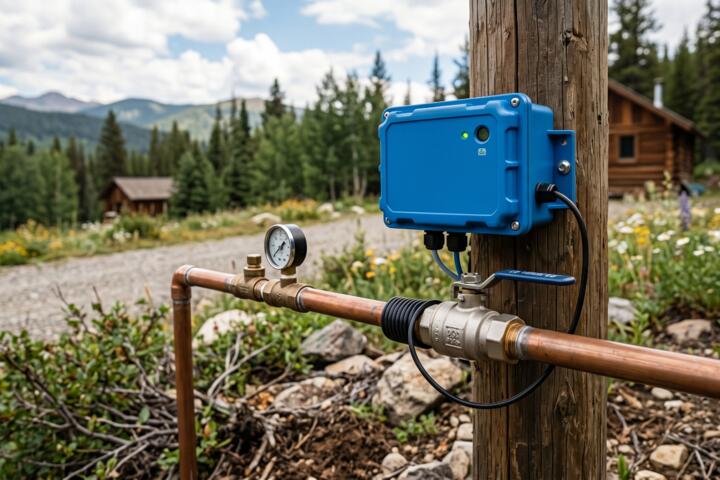
Integrating pressure sensors allows for "static pressure testing." By closing a valve and monitoring the pressure drop over time, the system can confirm the integrity of the entire plumbing network. A drop of 2-3 PSI over an hour indicates a pinhole leak, allowing for scheduled maintenance before a catastrophic failure occurs during a winter freeze.
Satellite IoT Integration
For truly global reach in "dead zones," services like Swarm (a SpaceX company) provide low-cost satellite connectivity for IoT devices. This allows a mining operation or a remote conservation project to receive leak telemetry from any coordinate on Earth, ensuring that "remote" no longer means "unreachable."
Acoustic Leak Detection
Devices that use high-frequency microphones can "hear" the sound of water escaping a pressurized pipe underground. Companies like EchoShore provide specialized hardware that can pinpoint a subterranean leak within a few feet, drastically reducing the cost of excavation and repair in remote utility corridors.
Battery-Backup Logic
Critical remote systems must include local logic. If the internet or power goes out, the smart valve should have a battery backup (like those found in Phyn Pro models) and a pre-programmed "fail-safe" mode. This ensures that the system can still execute a shut-off command autonomously without needing a cloud handshake.
Real-World Scenarios
A boutique vineyard in the Okanagan Valley installed an ultrasonic monitoring system combined with an automated shut-off valve. During a record-breaking frost, a secondary irrigation line cracked. The system detected an abnormal flow of 12 GPM (gallons per minute) at 2:00 AM. It automatically closed the main valve and sent an SMS to the manager. The total water loss was limited to 15 gallons; without the system, the leak would have run for 48 hours, causing an estimated $8,000 in soil erosion and pump damage.
An industrial warehouse located 30 miles from the nearest town utilized a LoRaWAN-based leak detection grid. A faulty pressure relief valve on a water heater began leaking. The system identified the high-frequency vibration of the leak and alerted the facility team. Early detection allowed for a $200 valve replacement, avoiding a potential $25,000 floor restoration project that would have been necessary if the water had reached the stored inventory.
Technology Comparison
| Technology | Best For | Connectivity | Power Source | Primary Benefit |
|---|---|---|---|---|
| Ultrasonic Flow | Main Lines | Wi-Fi / Ethernet | AC Power | Non-invasive, detects micro-leaks. |
| LoRaWAN Nodes | Remote Fields | Long-Range Radio | Battery (5-10 yrs) | Extreme range, low maintenance. |
| Point Sensors | Appliances | Zigbee / Z-Wave | Battery (2 yrs) | Inexpensive, easy to deploy. |
| Satellite IoT | True Wilderness | Orbital Link | Solar / Battery | Works anywhere on the planet. |
Avoiding Common Errors
The most frequent error is installing Wi-Fi-dependent sensors in areas with spotty connectivity. If the router reboots or the signal drops, the "smart" system becomes useless. Always opt for a protocol that supports local execution, where the sensor talks directly to the valve without needing an active internet connection to function.
Another pitfall is neglecting to "exercise" the shut-off valves. Mineral deposits in hard water can seize a ball valve over time. High-end systems like the Moen Flo automatically perform a partial closing cycle once a week to ensure the mechanical parts remain functional. If your system doesn't do this, you must schedule manual tests every quarter.
Failing to calibrate "normal" usage patterns leads to "alert fatigue." In agricultural settings, irrigation cycles can look like massive leaks. Ensure your software allows for scheduling or "sleep modes" during planned water usage to prevent the system from accidentally shutting off necessary water supplies to livestock or crops.
FAQ
Will these sensors work without a cellular signal?
Yes, by using LoRaWAN or Satellite IoT gateways, you can transmit data across vast distances without any cellular coverage. These systems create their own local network to communicate between devices and the gateway.
Can I install a smart shut-off on a well system?
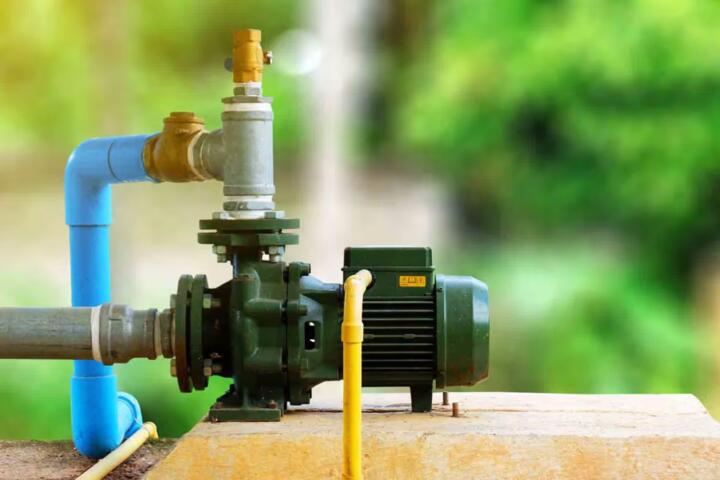
Absolutely. In fact, it is highly recommended. A smart valve can be wired to the well pump’s power relay, allowing the system to cut power to the pump if a leak is detected, preventing the pump from burning out or emptying the well.
Do I need a plumber to install these systems?
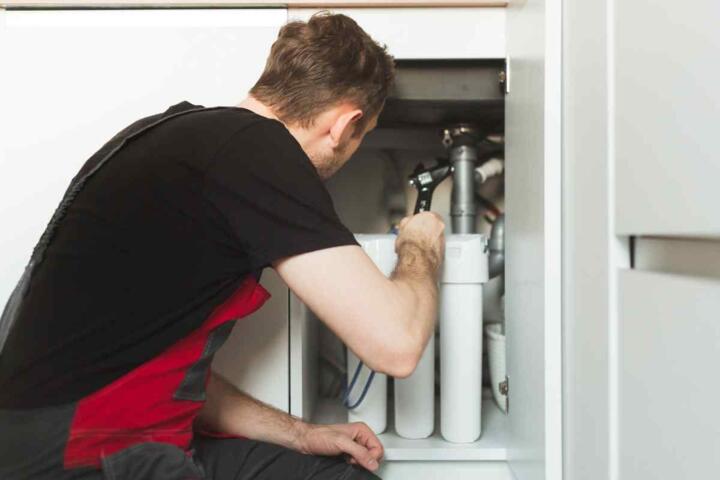
While point-of-leak sensors are DIY, main shut-off valves and inline flow meters usually require cutting into the main pipe. It is best to have a licensed plumber handle the installation to ensure it meets local codes and doesn't introduce new leak points.
How do these systems handle power outages?
Professional-grade remote sensors and valves come with integrated battery backups. Some models are designed to stay in their "last known state," while others can be programmed to "fail-closed" during a power loss for maximum security.
What is the typical ROI for a remote leak system?
For most remote properties, the system pays for itself after the very first prevented leak. Given that the average cost of water damage is $10,000+, a $500–$1,500 investment represents a significant reduction in financial risk.
Author’s Insight
Having consulted on dozens of off-grid residential projects, I have seen that the greatest threat isn't a catastrophic pipe burst, but the "silent" leak. I once worked on a cabin where a slow toilet leak resulted in a $2,400 water bill and a dry well in just three weeks. My advice is to always prioritize a system that offers "pressure decay testing" over simple floor sensors. Being able to see that your system is airtight every night at 3:00 AM provides a level of peace of mind that no manual inspection can match.
Summary
Effective water management in remote areas requires a combination of precise flow monitoring, long-range communication protocols, and mechanical shut-off capabilities. By moving away from reactive "check-ups" and embracing autonomous IoT solutions, you can protect your investment from one of the most common and costly forms of property damage. Start by auditing your connectivity options—whether LoRaWAN or Satellite—and install an automated main valve to ensure that when a leak occurs, your infrastructure has the intelligence to save itself.