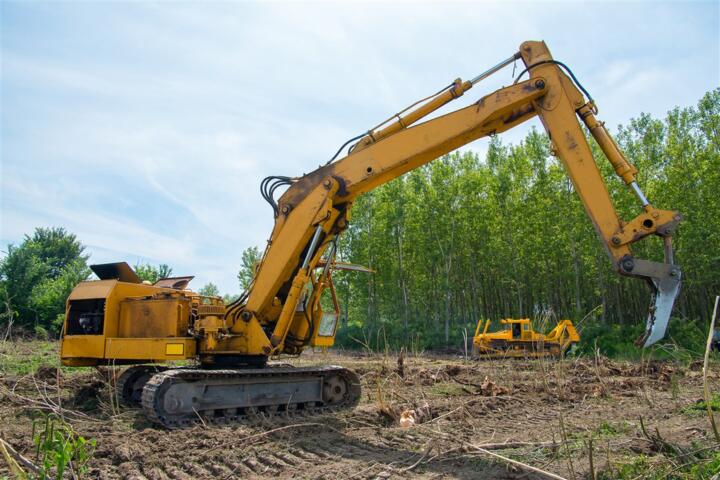
Why Site Prep Costs More
Site prep turns a raw lot into a buildable footprint, and it rarely stays within the first “ballpark” number. Costs rise when the ground, access, drainage, and utility connections do not match the assumptions behind a quick estimate. A driveway that looks simple on a survey can require hauling, compaction testing, and erosion controls that add days. Even when the build plan stays fixed, the site work can expand to handle water, soil, and compliance requirements.
Many bids start with a generic scope: clear vegetation, grade to a target elevation, and prepare a pad. Real projects add tasks once crews see the site, verify measurements, and confirm what local rules require. In one job I reviewed for a neighbor’s property, the “grading only” line item grew after the contractor discovered a shallow fill layer that would not compact to the needed density. That kind of discovery is common because soil conditions vary across a single parcel.
Site prep also depends on timing. If the work happens during wet weeks, excavation may need dewatering, additional trucking, and longer drying periods before compaction tests. If the work happens after a storm, erosion control installation becomes a recurring task rather than a one-time setup. The schedule affects labor productivity, equipment availability, and the cost of rework.
Main Problems People Miss
People often underestimate how many separate systems site prep touches. Grading is not just moving dirt; it is shaping surface water flow, setting finished elevations, and preparing a stable base for foundations and slabs. Drainage design can require subdrains, catch basins, cleanouts, and outlet connections that do not appear in a basic estimate.
Soil uncertainty drives many overruns. A geotechnical report may exist, but it can be limited to a few borings, and it may not cover every area where equipment will travel. Fill, topsoil thickness, and buried debris can change the compaction requirements. If the contractor must remove unsuitable material and replace it with engineered fill, the cost shifts from “earthwork” to “earthwork plus disposal plus import.”
Access and logistics add hidden cost. Tight gates, overhead lines, soft ground, or limited staging areas can force smaller equipment, extra mobilizations, or longer haul routes. Hauling costs increase when the nearest disposal site is farther than expected or when loads must be sorted by material type. I once saw a bid that assumed a straight route for dump trucks; the actual route required a detour around a neighbor’s driveway easement, which increased truck hours by a noticeable margin.
Permitting and compliance can also expand scope. Many jurisdictions require erosion and sediment control plans, stormwater management steps, and inspections at specific milestones. Utility work may require coordination with the local water, sewer, electric, or gas provider, and those providers sometimes set constraints on when crews can dig. If the site prep bid does not include those coordination steps, the contractor may price them later as change orders, and the owner pays twice in time and money.
Solutions And Advice
Ask For A Written Scope
Request a line-by-line scope that names what is included and what is excluded: clearing limits, topsoil stripping depth, rough grading targets, import/export quantities, compaction method, and whether erosion control is included. Ask for the basis of quantities, such as whether the contractor used a site plan, a contour map, or a measured takeoff. If the bid uses “allowance” language, ask what triggers the allowance adjustment and what documentation supports it.
For tools, use the survey and grading plan as your reference documents. If you have a geotechnical report, match the foundation bearing recommendations to the pad preparation scope. When a contractor quotes “engineered fill,” ask what material specification they will use and how they will test it. A small detail like the compaction test method (for example, field density testing) can change the cost because it adds labor and scheduling.
Plan For Soil And Water
Budget for the two most common surprises: unsuitable soil and drainage corrections. If you do not have borings, ask whether the contractor can price an initial exploratory phase, such as test pits or additional sampling, before committing to full excavation. If borings exist, ask whether the contractor will follow the report’s recommendations across the entire build footprint and access routes, not just under the foundation.
For drainage, ask how surface water will be handled during construction. A temporary swale, silt fence placement, and sediment basin sizing can affect both cost and schedule. If the site is near a creek, low spot, or known flood-prone area, ask whether the contractor will include dewatering and how they will manage discharge. Contractors often price dewatering as a separate item because it depends on rainfall and groundwater levels.
Compare Quotes Using Same Assumptions
When comparing bids, verify that each quote uses the same assumptions for quantities and disposal. Ask whether the contractor includes hauling distance, disposal fees, and whether they assume clean fill versus mixed material. If one bid includes import and another uses “cut only,” the numbers will not be comparable even if the totals look close.
Use a simple comparison sheet: included tasks, unit rates, allowances, and inspection milestones. If you can, ask for a schedule that shows when compaction testing and inspections occur. A contractor may quote a lower price but schedule testing late, which can delay foundation work and create costly idle time for other trades.
Control Change Orders Early
Change orders often come from scope gaps rather than bad intent. Reduce gaps by requiring a preconstruction meeting that covers site access, staging, erosion control responsibilities, and utility coordination. Ask who is responsible for locating existing utilities and how they will handle unknown lines discovered during excavation.
For realistic outcomes, expect that a well-scoped bid with geotechnical data may hold closer to the estimate, while a bid without borings can swing widely after excavation exposes conditions. In many markets, owners see the biggest variance when the bid includes “rough grading” but not the engineered fill and testing required for foundation support. That variance is not random; it follows the difference between assumptions and what the ground actually allows.
Case Examples
Example 1: Sloped lot with shallow fill. A homeowner planned a small slab and driveway on a sloped parcel. The initial bid assumed cut-and-fill to reach finished elevations. After excavation, the contractor found a shallow layer of loose fill and construction debris near the driveway tie-in. The contractor removed unsuitable material, hauled it to disposal, imported engineered fill, and scheduled compaction testing before slab placement. The owner’s cost increased because the project shifted from grading to removal and replacement, and because the testing added days.
Example 2: Flat lot with drainage corrections. A buyer prepared for a detached garage pad on a flat lot. The bid included grading to a pad elevation but did not include stormwater controls beyond basic erosion measures. During construction, runoff pooled near the pad area after a rain event, and the contractor had to adjust grades and add temporary drainage to keep the base dry. The final scope included additional swale shaping and outlet work to match the local stormwater requirements. The owner paid more because the drainage problem appeared during the work, not during the estimate.
Checklist For Comparing Bids
| Decision Point | What To Ask For | What Drives Price | Red Flag |
|---|---|---|---|
| Earthwork scope | Topsoil stripping depth, cut/fill targets, import/export quantities basis | Unknown soil depth, debris, haul distance, disposal fees | “Allowance” quantities without triggers |
| Compaction and testing | Testing method, test locations, who schedules inspections | More tests, retesting after failures, weather delays | No mention of density testing |
| Drainage plan | Surface water flow during construction, permanent outlets | Added swales, subdrains, outlet connections | Grading only with no stormwater controls |
| Permits and erosion control | Erosion control items, inspection schedule, responsibility boundaries | Plan revisions, inspection delays, rework after rain | Scope excludes compliance steps |
Step-by-step checklist:
- Collect the survey, grading plan, and any geotechnical report before requesting final pricing.
- Ask each contractor to confirm included tasks in writing, including erosion control and compaction testing.
- Normalize quantities by asking for the basis of takeoffs and hauling assumptions.
- Confirm inspection milestones and who schedules them.
- Review change order triggers in the contract, especially for soil conditions and drainage corrections.
Common Mistakes
One frequent mistake is treating site prep as a single “dirt work” line item. When you separate clearing, grading, drainage, and testing into distinct scope items, you can compare bids more fairly and spot missing compliance tasks.
Another mistake is ignoring access and staging. A contractor may quote equipment production rates based on a wide staging area; a narrow lot can reduce productivity and increase the number of mobilizations. If you have overhead lines, soft shoulders, or a steep driveway grade, describe those constraints early.
People also underestimate how weather changes the work. Rain can force pauses in excavation, increase erosion control maintenance, and delay compaction testing until soils dry. If a bid assumes “normal conditions” without defining what that means, you may face schedule-driven costs.
Finally, owners sometimes accept vague allowances. Allowances for “extra fill” or “unknown conditions” can hide the real cost drivers. Ask for unit rates and documentation requirements so you can forecast the range of outcomes rather than reacting after excavation.
FAQ
What does site prep usually include?
Site prep commonly covers clearing and grubbing, topsoil stripping, rough grading, engineered fill placement, compaction testing, erosion and sediment controls, and preparation of access routes for construction equipment.
Why do excavation bids change after digging starts?
Excavation reveals actual soil depth, fill quality, buried debris, and groundwater behavior. Those findings can require removal and replacement, dewatering, or revised grading to meet foundation and stormwater requirements.
How can I compare two site prep quotes fairly?
Compare the written scope, included testing, erosion control responsibilities, hauling distance assumptions, and disposal fees. Quotes that use different quantity assumptions or omit testing are not directly comparable.
Do I need compaction testing for a foundation pad?
Many foundation systems require documented compaction performance. Testing also supports inspection sign-off; if testing is missing, the foundation schedule can stall after excavation.
What questions should I ask about drainage?
Ask how surface water will be managed during construction, what permanent outlets or swales are included, and whether any subdrain or outlet connection work is part of the bid.
Author's Insight
Site prep costs rise when assumptions about soil, water, and access do not match the parcel’s actual conditions. The most reliable way to reduce surprises is to align the bid scope with the survey and any geotechnical findings, then require written inclusion of compaction testing and erosion control responsibilities. Contractors price risk differently; a lower number often means more exclusions or allowances that shift cost later. I recommend treating the contract language around “unknown conditions” and change orders as a budget tool, not paperwork.
On one project review, I noticed a bid labeled “grading” that referenced a compaction standard in a footnote but did not include the testing line items. That mismatch created a schedule risk because testing had to be added after excavation. Small scope gaps like that can explain a large part of the variance owners experience.
Key Takeaways
- Site prep costs grow when grading expands into drainage work, removal and replacement, or compliance tasks.
- Soil uncertainty, access limits, and weather-driven erosion control are common sources of bid changes.
- Use written scopes, consistent assumptions, and explicit testing and inspection milestones to compare quotes.
- Reduce change orders by defining triggers for unknown conditions and by clarifying disposal, hauling, and utility coordination early.