Propane Heating Overview
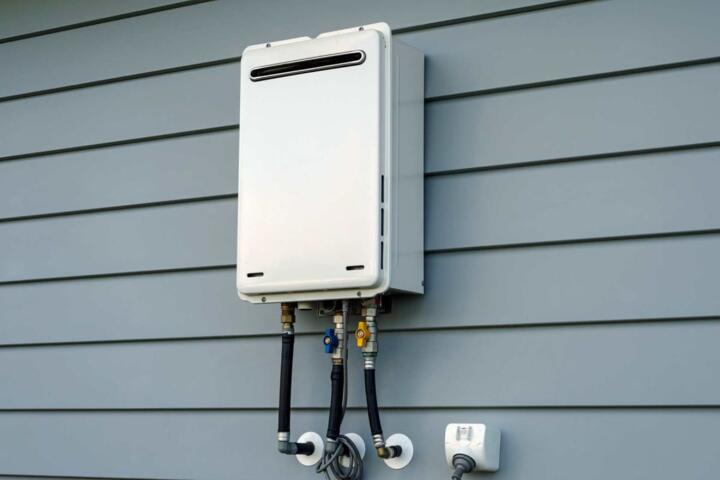
A tankless propane unit works through a high-powered heat exchanger. When you open a hot water faucet, a flow sensor activates a propane burner, which flash-heats the water as it travels through copper or stainless steel coils. Unlike electric models, propane units often achieve much higher flow rates, making them suitable for whole-house applications in colder climates.
In practice, a family of four switching from a 50-gallon atmospheric vent tank to a Rinnai SENSEI™ RX series can save up to 40% on energy costs. A real-world observation shows that while a standard tank maintains 120°F 24/7, the tankless unit remains dormant until needed, eliminating "basement heating" during summer months.
Statistical data from the Propane Education & Research Council (PERC) indicates that propane tankless systems can produce up to 60% fewer carbon emissions than electric storage tanks. Furthermore, these units typically boast an Energy Factor (EF) of 0.90 to 0.99, compared to the 0.60 average of traditional gas tanks.
System Pain Points
The most frequent error is ignoring the "minimum flow rate" requirement. Most units need 0.4 to 0.6 gallons per minute (GPM) to ignite. If you are just trickling water to wash a single plate, the burner may not kick in, resulting in a "cold sandwich" effect where slugs of cold water enter the line.
Ignoring water hardness is a fatal mistake for heat exchangers. Propane burners operate at extremely high temperatures; if your water has more than 7 grains of hardness, calcium carbonate will bake onto the internal coils within 18 months. This reduces efficiency by 15% in the first year alone and leads to premature cracks.
Inadequate venting often leads to system shutdowns. Homeowners frequently try to reuse old chimney flues, but modern condensing units like those from Navien require dedicated PVC or Polypropylene venting to handle acidic condensate. Failure to manage this liquid—which has a pH of about 3 to 4—will corrode your home’s cast iron drain lines.
Under-sizing the gas line is a silent killer of performance. A tankless unit requires a massive "burst" of BTUs—often 150,000 to 199,000—compared to the 40,000 BTUs of a tank. If the gas pipe is too narrow, the unit will starve, throw an error code during peak winter, and fail to provide the promised temperature rise.
Optimization Strategies
Select Proper BTU Ratings
Do not buy based on "bedrooms." Calculate your peak GPM. A shower (2.0 GPM) plus a dishwasher (1.5 GPM) equals 3.5 GPM. In northern states, where groundwater is 40°F, you need a unit capable of a 80°F temperature rise. Look for units with at least 190,000 BTU for multi-bathroom homes.
Install Scale Inhibitors
If you have hard water, install a dedicated sequestering system like the Flow-Tech or a traditional water softener. This prevents mineral bonding. For existing scale, a yearly flush using food-grade white vinegar and a 1/4 HP submersible pump through the service valves is mandatory maintenance.
Utilize Recirculation Pumps
To eliminate the "wait for hot water," choose a model with an integrated bypass valve and pump, such as the Navien NPE-240A2. This tech uses the cold water line to return cooled-off water to the heater, ensuring instant heat at the tap without needing a dedicated return line.
Prioritize Condensing Tech
Always opt for "condensing" models. They feature a secondary heat exchanger that captures exhaust heat to pre-heat incoming water. This raises efficiency to roughly 97% and allows for cheaper venting materials like PVC instead of expensive stainless steel (Category III) venting.
Monitor Gas Pressure
Ensure your propane regulator is set to provide 10-13 inches of water column (WC) under full load. Have your technician perform a "pressure drop test" with all gas appliances running simultaneously. If the pressure dips below 9 inches, the heater's computer will throttle the flame.
Check Venting Clearance
Position the intake and exhaust at least 12 inches above the highest expected snow line. Using a concentric vent kit (pipe-within-a-pipe) simplifies installation and reduces the number of holes needed in your exterior wall, maintaining the home's thermal envelope better.
Plan for Power Outages
Since these units rely on electronic control boards and igniters, they won't work during a blackout. Install a dedicated battery backup (UPS) or a small 2000W inverter generator connection to ensure hot water access during winter storms or grid failures.
Residential Case Studies
A rural homeowner in Vermont replaced a 15-year-old 80-gallon electric tank with a Noritz NCC199CDV propane tankless unit. The family of five previously ran out of hot water by the third shower. Post-installation, they achieved back-to-back showers and a 55% reduction in their monthly water heating energy spend.
A small boutique hotel in Oregon switched from a commercial boiler to a banked "rack system" of three Rinnai units. They eliminated the need for a 500-gallon storage tank, freeing up 40 square feet of floor space. Their maintenance costs dropped by $1,200 annually because they could service one unit while the others remained operational.
| Feature | Propane Tankless | Propane Storage Tank |
|---|---|---|
| Average Lifespan | 20+ Years | 8–12 Years |
| Energy Efficiency | Up to 98% | Approx. 60–65% |
| Space Required | Wall-mounted (Small) | Floor-standing (Large) |
| Hot Water Supply | Endless (Continuous) | Limited to Tank Volume |
| Upfront Cost | $2,500 – $4,500 | $1,000 – $1,800 |
| Maintenance | Annual Flushing Required | Minimal (Anode Rod) |
Avoiding Common Pitfalls
Avoid the "DIY Trap" regarding gas connections. Propane is heavier than air and highly combustible; an improper flare fitting or a missed leak can lead to gas pooling in the crawlspace. Always hire a licensed gas fitter who can provide a pressure test certificate for insurance purposes.
Don't skip the service valves (isolation valves). If your installer doesn't include them, you cannot descal the unit without cutting the pipes. This $100 component is the difference between a 30-minute maintenance task and a $600 plumber visit in two years.
Many users forget to clean the "in-line filter." Every tankless unit has a small screen on the cold water inlet. If this clogs with sediment or well sand, your flow rate will drop, and the unit will struggle to stay ignited. Check this filter every six months as a simple preventative measure.
FAQ
Is propane better than electric for tankless?
Yes, for most whole-house needs. Propane provides a much higher BTU output, allowing for a 5+ GPM flow rate even in cold climates, whereas electric units often struggle to provide enough hot water for more than one shower at a time.
How much propane does it use?
A 199,000 BTU unit uses about 2.2 gallons of propane per hour of continuous operation. However, since it only runs for minutes at a time, the average household uses significantly less fuel than they would with a constantly heating tank.
Can I vent it into my chimney?
Usually, no. The exhaust from high-efficiency condensing units is "cool" and acidic. It will not rise naturally through a chimney and will destroy the mortar. These units require power-venting through a side wall using specific plastic piping.
Will it work with a well?
Yes, but you must have a high-quality sediment filter and likely a water softener. Tankless units are sensitive to the debris and minerals common in well water, which can quickly clog the narrow passages of the heat exchanger.
Does it take longer to get hot water?
There is a slight "ignition delay" of 3–5 seconds. If the unit is far from the tap, you still have to wait for the water to travel through the pipes. This can be solved by installing a unit with a built-in recirculation pump.
Author’s Insight
In my fifteen years of HVAC consulting, I have found that the dissatisfaction with tankless propane systems almost always stems from poor installation rather than the technology itself. I personally recommend always over-sizing the unit by 20% to account for those unusually cold winter nights when groundwater temperatures plummet. If you invest in a high-quality condensing unit and commit to an annual vinegar flush, the reliability and comfort of never running out of hot water are well worth the initial premium. My top pick for durability remains the heavy-duty stainless steel exchangers found in commercial-grade residential units.
Summary
Transitioning to a tankless propane water heater is a strategic upgrade that yields high efficiency and endless hot water when sized and maintained correctly. While the initial investment and gas line requirements are higher than traditional tanks, the 20-year lifespan and energy savings provide a clear long-term advantage. To ensure success, verify your local groundwater temperature, install a scale prevention system, and always hire a professional for the gas and venting stages of the installation.