Solar Inverters Explained
Solar inverters translate the DC power from photovoltaic panels into AC electricity that powers homes and businesses. This conversion is fundamental because most electrical grids and appliances require AC. There are three main inverter types: string inverters, micro-inverters, and power optimizers paired with string inverters.
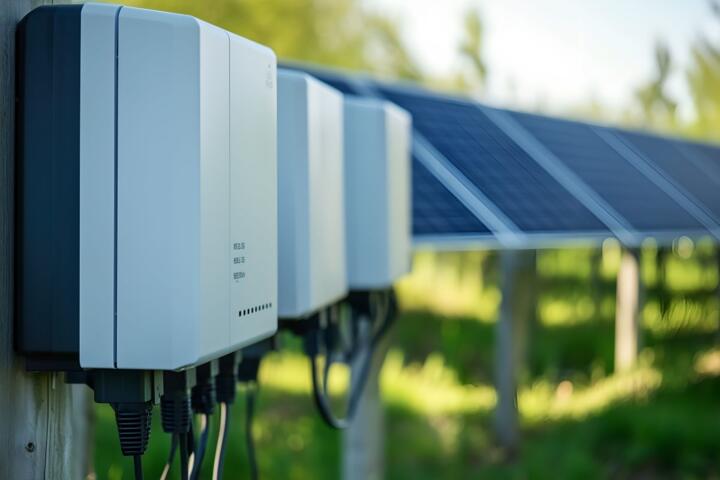
String inverters connect a series of panels to one inverter unit, standard in 80% of residential systems. For example, a 5 kW array might use a single string inverter located on the side of a house. Micro-inverters attach to each panel separately, converting DC to AC right at the panel. Power optimizers, meanwhile, sit at the module level but work in tandem with a string inverter, enhancing output without full conversion until later.
Data from the U.S. Energy Information Administration shows that solar technologies employing micro-inverters or power optimizers can recover energy losses up to 25% in some shaded or complex roof installations. That statistic is crucial when choosing the right setup for a property.
Common Installation Problems
Owners often misunderstand how shading and panel orientation affect system output. With string inverters, the entire string's output depends on the weakest panel, leading to disproportionate energy loss under partial shade. This mistake surfaces when people install panels on various roof planes without considering shading patterns or differing angles.
Another issue arises with panel mismatch during upgrades or repairs. Different panel models or ages produce varying voltages, and string inverters do not handle this variability well. This mismatch lowers total energy harvest and sometimes triggers grid compliance alarms.
Ignoring these factors results in less electricity generated and longer payback periods, which frustrates owners expecting maximum ROI. Utility rebate programs, like those from California’s SGIP, often require careful design to avoid these pitfalls for incentive eligibility.
Choosing and Using Solutions
String Inverter Best Uses
String inverters perform well on uniform roofs with little to no shading, and when all panels share the same orientation. They cost about $0.15 to $0.30 per watt for the inverter itself. Systems with 10-20 panels typically suit this setup, reducing complexity and maintenance.
A company using SMA Sunny Boy inverters reported stable performance in open-field commercial installations, achieving 98% uptime over three years. Maintenance involves occasional firmware updates and checking for degradation indicators on the inverter display.
Micro-Inverters Advantages
Micro-inverters excel on shaded or multi-angled roofs because they optimize each panel independently. Enphase is a leading brand here, with models like the IQ8 capable of grid-forming technology to supply power during outages—a bonus for resilience.
Installation requires more upfront cost, roughly $0.60 to $1.00 per watt just for inverters, but production improvements can offset this for complex roofs or partial shading conditions, improving yields by up to 20%. Micro-inverters simplify system expandability, too.
Power Optimizers Role
Power optimizers, such as those from SolarEdge, sit on each panel and adjust voltage and current before sending DC to a single string inverter. This reduces mismatch loss with a more affordable premium than micro-inverters: around $0.20 to $0.35 per watt more than string-only setups.
Systems with power optimizers report 10–15% more energy harvest in overshadowed conditions. They keep the central inverter simpler and less costly, while enabling module-level monitoring through integrated communications.
Installation Tips
Locate inverters or optimizers near panels to minimize voltage drop but safely away from potential weather damage. Use rapid shutdown features required by many electrical codes, notably NEC 2017 and later, to increase safety during emergencies.
Monitoring tools like SolarEdge’s monitoring platform or Enphase Enlighten provide detailed per-panel data and alerts for faults. This transparency speeds troubleshooting and system optimization.
Maintenance and Longevity
String inverters typically last 10–15 years and need replacement sooner than panels, while micro-inverters designed for long-term outdoor use can reach 20+ years. Power optimizers have lifespans between these, though real-world data shows some failure modes after 12 years.
Regular inspections for dust accumulation, wiring issues, and firmware updates keep systems efficient. Some installers recommend professional inspections every 3-5 years.
Sunrise Solar Example
A mid-sized commercial client faced 30% energy loss due to partial shading and mixed panel orientations. Sunrise Solar replaced a string inverter-only system with SolarEdge optimizers and a new string inverter. Output increased 22% on annual energy production, verified through the monitoring platform. The retrofit took 5 days, including panel rewiring and system commissioning.
Neighborhood Retrofit Case
In 2021, a residential complex with aging 3 kW arrays upgraded to micro-inverters on each module to address frequent panel-level faults and shading. Annual energy rose from 3,800 to 4,700 kWh (24%). Homeowners noted easier troubleshooting through the app and reduction in panel-level outages, which most had forgotten were common before the upgrade.
Technology Comparison
| Feature | String Inverter | Micro-Inverter | Power Optimizer |
|---|---|---|---|
| Cost per Watt | $0.15–$0.30 | $0.60–$1.00 | $0.20–$0.35 |
| Shading Impact | High | Low | Medium |
| Monitoring | String-level | Panel-level | Panel-level |
| Installation | Simpler | Complex | Moderate |
| Lifespan | 10–15 yrs | 20+ yrs | 12–20 yrs |
Common Setup Mistakes
One major error is oversizing inverters compared to panel capacity, thinking more wattage means more production. The inverter switches off output above its maximum, causing needless losses. Another slip is ignoring rapid shutdown wiring rules, which delays inspection approvals or voids insurance.
Installing micro-inverters or optimizers without proper grounding, while often skipped, frequently leads to higher maintenance calls. Also, buyers underestimate how firmware updates affect inverter performance and grid compliance, missing out on improvements and fixes that could have avoided early failures.
FAQ
What is the main difference between string and micro-inverters?
String inverters convert combined panel outputs centrally; micro-inverters convert power at each panel, optimizing performance individually.
Do micro-inverters cost more to maintain?
They can, due to the larger number of components, but module-level diagnostics reduce system downtime, balancing service costs.
Can power optimizers work with any string inverter?
No, optimizers usually require compatible string inverters designed to communicate specifically with them, like SolarEdge models.
How does shading affect inverter choice?
Shading drastically reduces output with string inverters but less so with micro-inverters or power optimizers, which isolate panel performance.
What is the typical lifespan of these inverter types?
String inverters last around 10–15 years; micro-inverters can last 20+ years; power optimizers often have lifespans between these two ranges.
Author's Insight
Dealing with solar inverters for over a decade, I’ve seen many system designs undermined by a lack of understanding how shading and panel mismatch degrade output. Switching to micro-inverters in tricky installations always lifts the yield noticeably but at a premium customers should weigh carefully. Power optimizers offer a practical middle ground for retrofit projects, combining monitoring with fewer hardware points to maintain. My advice: plan around your roof's specifics, not just sticker prices.
Final Thoughts
Choosing the right solar inverter approach requires balancing roof layout, shading, budget, and performance goals. String inverters suit simple, uniform setups but fall short with shading or panel diversity. Micro-inverters boost energy recovery and ease expansion but cost more upfront and can require complex installation. Power optimizers help optimize mixed or shaded sites affordably, providing panel-level control alongside centralized conversion. Assess site conditions and monitorability needs before deciding. Your inverter choice shapes your solar system’s real returns.