Understanding Slow Living
Slow living rejects the constant push for speed and productivity that shapes many lives. It means spending time deliberately, savoring moments that often slip unnoticed. For example, rather than rushing a morning commute, one might walk through a neighborhood park to catch early light shifting through leaves. Studies suggest exposure to natural environments for just 20 minutes can lower cortisol, a stress hormone, by up to 23%. That alone convinces me to slow down regularly.
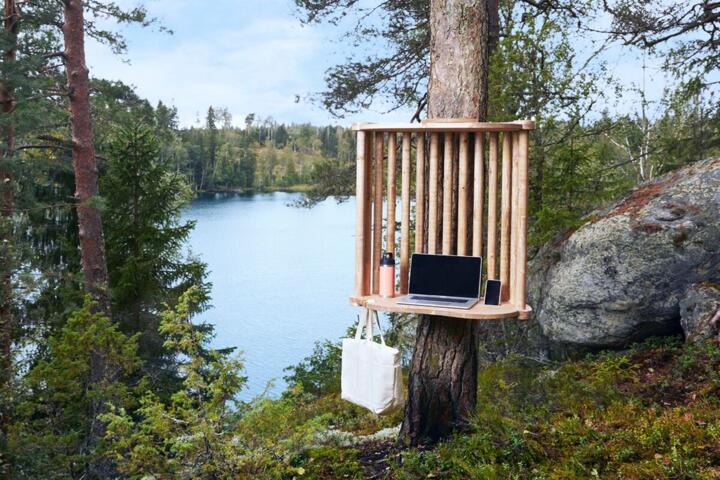
Slow living is not about quitting daily obligations but about reshaping how you experience them. Jarred by endless alerts and emails? Imagine switching one hour daily to offline activities—gardening, bird watching, or simply breathing fresh air—that reconnect your body with daylight and natural scents. It’s not a trend but a rooted practice with historic echoes in many cultures that moved with the seasons, not schedules.
Challenges of Modern Life
People often mistake being busy for being productive; they fill every waking hour with tasks that keep them tethered to devices. This blurs the boundaries between work and rest, making detachment feel impossible. Consequences include burnout, less creativity, and a general sense of disconnection from one’s environment.
For example, many office workers find their breaks shorten or vanish due to online meetings back-to-back. I’ve seen colleagues lose track of daylight hours, leading to disrupted sleep and mounting anxiety. Attempts to unplug usually fall short. The noise never quiets, the inbox never rests.
Steps to Live Slowly and Naturally
Set Screen-Free Times
Turn off all screens for at least 60 minutes daily. This creates space for your mind to detach from digital stimuli. I do this every evening around 7 pm, a habit stemming from research published in 2019 showing reduced blue light exposure improves melatonin production and sleep quality by roughly 15%.
Adopt Mindful Walking
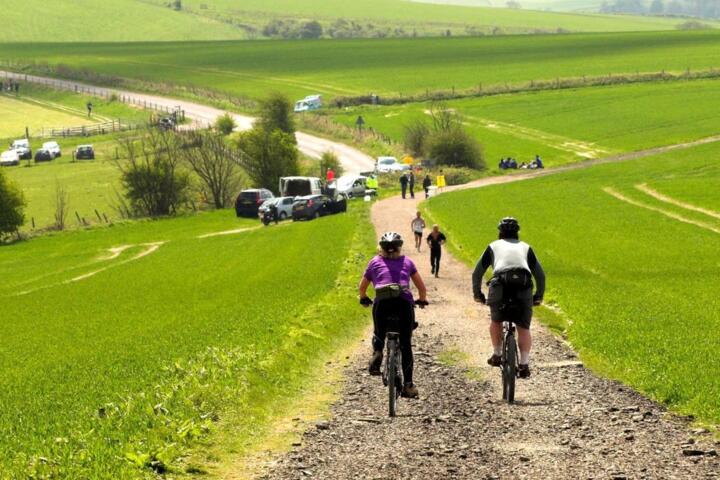
Walking without headphones, focusing on sounds and smells, resets sensory awareness. Use local parks, trails, or even urban streets where trees line sidewalks. A tool like AllTrails app helps find quiet paths. Five minutes can shift your mental state; 30 clarifies thoughts.
Garden or Touch Soil
Working with plants reconnects you with growth cycles and weather shifts. Scientific data reveals that soil exposure can increase serotonin levels due to microbes like Mycobacterium vaccae. Gardening need not be elaborate; a simple herb pot by a sunny window works well.
Align Meals with Natural Light
Eating with daylight cycles supports digestion and hormone regulation. Whenever possible, have breakfast soon after sunrise and finish your last meal before twilight dims. Studies show this aligns insulin sensitivity and lowers metabolic risk.
Limit Artificial Light at Night
Dim lighting signals your brain to prepare for rest. Consider amber bulbs or candles in the evening. Avoid overhead fluorescents, which disrupt circadian rhythms markedly.
Unplug Weekends
Reserve at least one day per week to avoid emails, social media, and work calls. Experiments by the digital detox group OffScreen report participants felt 30% less stressed within three weeks of weekly unplugging.
Practice Slow Hobbies
Engage in activities demanding patience—knitting, sketching, or woodworking. These foster calm focus and tactile connection missing from pure screen time.
Follow Seasonal Rhythms
Notice changes in daylight, temperature, and flora fauna movements. Adjust routines accordingly: sleep earlier in winter, walk bare feet in summer. This tuning reflects ancestral patterns with modern benefits.
Join Nature Groups
Communities like local bird watchers or native plant societies offer accountability and motivation to explore natural settings. Meetup.com is useful for this.
Real-Life Examples
A small tech startup in Boulder, Colorado, saw employee burnout rates spike in 2021. They introduced weekly “nature breaks,” guaranteeing one afternoon off for staff to be outside during work hours. Within six months, surveys showed a 40% drop in reported stress and a 25% rise in job satisfaction.
Another example comes from a writer in Portland, Oregon, who cut social media use dramatically and began daily 30-minute walks. Her productivity doubled within two months, and her insomnia, persistent for five years, eased significantly.
Slow Living Choices Compared
| Activity | Time Needed | Benefits | Tools/Apps |
|---|---|---|---|
| Screen-Free Hour | 60 min daily | Better sleep, less stress | Timer, Silence Mode |
| Mindful Walk | 20–30 min | Stress relief, clarity | AllTrails app |
| Gardening | 15–45 min daily | Mood boost, serotonin | Local plant nursery |
| Seasonal Rhythm | Ongoing | Energy balance, resilience | Calendar, weather app |
Common Pitfalls to Avoid
Trying to unplug but checking your phone every five minutes might be the biggest trap. If your environment doesn't support slow living, feel stuck quickly. People often give up because relaxation feels forced or rushed—yep, paradoxically.
Also, ignoring daylight cycles limits slow living's benefits. Shutting blinds and binge-watching shows kills natural rhythm cues.
Overcommitting to change, like attempting daily hour-long hikes before work, leads to burnout and guilt, defeating the purpose.
Stick to manageable shifts: start with one screen-free hour, increase as it fits. Remove distractions during that hour—no sneaky social media checks. This helps your body sync with nature’s subtle signals—and that’s what counts.
FAQ
What defines slow living?
It means living deliberately at a relaxed pace, syncing daily habits with natural cycles rather than constant urgency.
How does slow living reduce stress?
By limiting digital noise and increasing exposure to calming natural environments, it lowers hormones related to stress and encourages mental clarity.
Can slow living fit a busy schedule?
Yes. Even brief daily periods of offline time or mindful nature walks help recalibrate and improve mental health amid tight schedules.
What tools support unplugging?
Apps like OffScreen or Forest limit phone use, while platforms like Meetup connect you to local nature groups for guided experiences.
Is slow living connected to better sleep?
Definitely. It encourages exposure to natural light cycles and reduces blue light at night, improving melatonin regulation.
Author's Insight
I’ve practiced slow living for over five years now. I started small—cutting back night screen time—and watched my stress drop noticeably by month two. The trick lies in small changes that anchor you to nature rather than forcing a lifestyle overhaul. One surprising benefit was clearer long-term thinking and creativity. Don’t underestimate the power of a daily, device-free stroll—even in urban settings—it reshaped my routine, landscape, and mindset.
Summary
Slow living reclaims time by syncing life with nature, calming overstimulated minds. Key steps include screen breaks, mindful walks, and seasonal awareness. Avoid overloading plans; keep each adjustment manageable. Start by unplugging one hour daily, stepping outside without devices. This modest shift rewires stress responses and reconnects your body clock, offering a fresh perspective and deeper balance.