Understanding Rural Pet Life
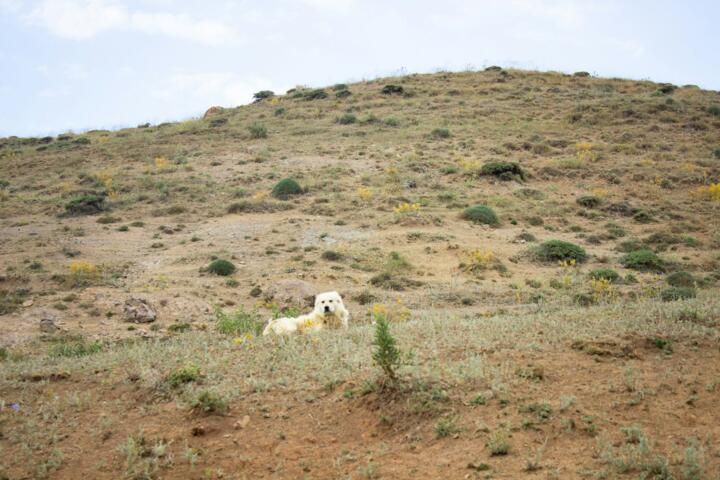
Rural areas offer pets more space to roam but expose them to hazards rare in cities. Predators such as coyotes, foxes, and large birds threaten unattended dogs and cats. Ticks, carriers of Lyme disease and other tick-borne illnesses, flourish in wooded or grassy farmland. According to the CDC, nearly 476,000 Americans get Lyme disease yearly, a risk mirrored in pets that aren’t protected.
Freedom to explore outdoors inspires natural behaviors but demands training and monitoring. For example, one of my border collies started following scent trails deeply into woods, where a neighbor’s hawk almost struck it. Awareness of these conditions helps owners prepare their pets physically and mentally for wide-open rural territories.
Challenges of Pets in the Countryside
Many owners misjudge the dangers by assuming fencing and leashes alone will keep pets safe. In reality, predators can scale or slip through gaps, and pets might dart after wildlife, increasing risk of injury or disappearance. Ticks latch on during routine outdoor activity, creeping unnoticed in thick fur.
Reactions to these risks vary. Some owners face repeated vet visits for tick infestations or injuries. Others experience distress when pets encounter predators—like a feral bobcat attack that left a dog in the hospital. Neglecting long-term parasite control leads to chronic health issues which can be costly and painful.
Key Steps for Safe Rural Pets
Predator Awareness
Recognize local wildlife by consulting state wildlife agencies or digital apps like iNaturalist. Observe pet behavior—pets chasing rabbits or rodents invite predators closer. Restrict outdoor time at dawn and dusk when many predators hunt. Installing motion-activated lights and alarms near kennels deters wildlife. In one instance, a motion sensor light reduced coyote visits by 60% around a rural property I helped secure.
Tick Prevention
Feed monthly tick control medication like NexGard or Bravecto, proven to reduce tick attachment by 90-95% within 24 hours. After walks, use a fine-toothed comb or tick removal tool, checking all skin folds and ears. Apply veterinarian-approved repellents on fur and bedding areas. I recall one spring when overlooking tick inspection once led to multiple ticks on my terrier’s belly—annoying but avoidable.
Training for Boundaries
Teach reliable recall and 'stay' commands using positive reinforcement. Set clear perimeters using flags or lightweight fencing to help pets learn boundaries before unleashing them in open land. Electronic collars can supplement training but require careful use. A border collie I trained took one week to respect a 100-foot marked boundary, showing how persistence pays off.
Secure Kennels and Shelters
Build predator-proof outdoor structures with hardware cloth or welded wire, ensuring no gaps larger than half an inch. Covered tops prevent jumping predators. Shelter should include insulated dog houses or cat condos elevated from damp ground to deter snakes or rodents. I retrofitted kennel walls after discovering fox tracks just outside.
Health Checks and Vaccines
Complete vaccination schedules that cover rabies, Lyme disease, canine distemper, and leptospirosis sharpen defenses against rural diseases. Biannual vet screenings catch infections early. Regular fecal exams also identify intestinal parasites common in outdoor pets, especially those that hunt small mammals.
Nutritious Diet and Hydration
Physical demands rise when pets roam farmland or trails, increasing calorie needs. Choose high-protein, grain-free diets like Blue Buffalo Wilderness or Wellness CORE—brands backed by veterinary recommendations. Fresh water stations must remain clean and refilled; standing water attracts mosquitoes that spread heartworm.
Identification and Tracking
Microchipping pets enhances recovery chances if lost. Supplement with GPS collars such as Whistle Go Explore that track location in real time. I’ve seen neighbors reunited within hours, thanks to live GPS signals after dogs wandered off chasing wildlife.
Socialization and Mental Stimulus
Rural pets can get bored or lonely despite open fields. Increase socialization with other pets or supervised playdates. Provide puzzle feeders and training challenges indoors to prevent destructive behaviors from boredom. Last winter, I used Kong toys filled with frozen treats and noticed a marked difference in my shepherd’s calmness.
Emergency Preparedness
Stock a pet-specific first aid kit, containing hemostats, tick removal tools, antiseptic ointments, and bandages. Learn basic emergency techniques like CPR. Identify the nearest 24/7 veterinary clinic—mine, around 30 miles away, so I keep transport carriers ready.
Stories from Rural Pets
A local farm faced repeated coyote sightings that led to their Golden Retriever getting injured thrice in a year. They installed a 6-foot predator-proof fence, combined with motion-activated lighting. Injuries stopped completely the following six months. Medications like Bravecto helped keep ticks off during the high-risk summer months.
Another case involved a cat that roamed the sprawling acreage and succumbed to a severe tick-borne illness due to lack of preventive treatment. After that incident, the owner committed to monthly flea and tick medication and outfitted the outdoor areas with cleared brush zones, reducing tick exposure by estimated 40% on their property.
Checklist for Rural Prep
| Task | Why | Tools/Methods | Frequency |
|---|---|---|---|
| Predator Deterrents | Prevent attacks | Fencing, lighting, alarms | Year-round |
| Tick Prevention | Avoid disease | NexGard, Bravecto, comb | Monthly |
| Recall Training | Control roaming | Treat-based training | Weekly |
| Vaccinations | Disease protection | Vet visits, shots | Annually |
| ID & Tracking | Recover if lost | Microchip, GPS collar | Once / ongoing |
Common Pitfalls to Dodge
Owners often neglect seasonal changes in risks: ticks multiply in spring/fall; predators shift behavior in winter. Overconfidence in fencing, ignoring maintenance, leaks into escape holes or gap-creation happen. Forgetting to reapply repellents after rain defeats protection.
Allowing pets to roam unsupervised, especially at night, leads to unnecessary encounters with wildlife. Some skip vet visits after feeling pets look healthy, missing low-grade infections. Also, relying solely on electronic fences or collars without hands-on training creates confusion for animals.
I’ve seen plenty of cases where neglect led to suffering, and it rarely works the way the docs say if follow-up care falters.
FAQ
How can I check my pet for ticks?
Use a fine-toothed comb or your fingers to inspect behind ears, between toes, inside armpits, and under the collar. Run your hands slowly over fur to feel small bumps; ticks can be as tiny as a sesame seed.
Which predator-proof fence is best?
Use fencing with hardware cloth or welded wire mesh at least 6 feet high, with a buried portion 12 inches underground to prevent digging. Solid gates and locked latches improve security.
Are natural tick repellents effective?
Some essential oils work moderately but often lack lasting protection. Veterinary-approved medications perform better and prevent diseases more reliably.
How often should pets visit the vet in rural areas?
Every six months for checkups and vaccinations if outdoor exposure is high. More frequent visits if symptoms of illness or infestation appear.
Can cats live safely in rural areas?
Yes, but supervision or enclosed outdoor kitty runs reduce predation risk and tick exposure significantly.
Author's Insight
Living with pets in rural settings is rewarding but demanding. I’ve handled predator threats and tick infestations firsthand and learned prevention is cheaper and less stressful than treatment. Training pets for boundaries improves their safety and your peace of mind. Tools like GPS trackers offset anxiety when pets roam large properties. Above all, regular health checks keep pets thriving amid rural challenges.
Summary
Rural life presents tangible rewards and dangers for pets. Prioritize predator deterrents, tick prevention, and clear training routines. Maintain health via vaccines and diet, and prepare for emergencies. Follow the checklist and learn from real examples to keep your pets free yet safe on the countryside.