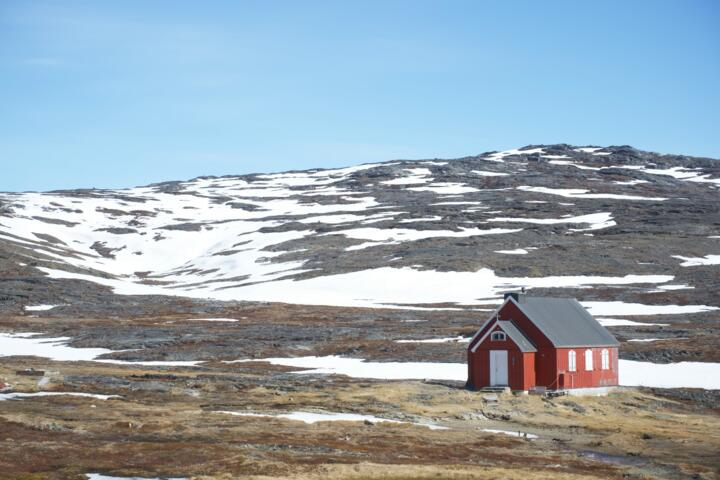
Choosing Quiet or Isolation
Privacy attracts many to a new home, yet too much distance from neighbors can turn into isolation. Imagine finding a home three miles from the nearest residence or on a private island. While private, daily errands might take an hour or more.
About 40% of buyers prioritize privacy, according to the 2022 National Association of Realtors report. Yet, some miss that seclusion can complicate deliveries, social opportunities, and emergency services access.
Personal stories range from a young couple craving privacy but ending up lonely after moving to a rural cabin, to retirees valuing quiet but requiring nearby healthcare. Privacy is not absolute—knowing what you give up clarifies boundaries.
Where Buyers Often Go Wrong
Many assume an isolated property equals ultimate peace. Yet isolation disrupts everyday needs—school runs, groceries, social ties. It means longer commutes: 39 minutes on average in rural U.S. areas, versus 26 minutes near cities.
Ignoring factors like cell reception, power reliability, or road upkeep becomes an expensive mistake. For example, some rural power outages last days, and satellite internet may lag badly, frustrating remote workers.
Buying a remote home without backup water sources creates vulnerability during droughts or well failures. The subtle drawback is the mental toll—social isolation can intensify feelings of loneliness and stress.
Failing to check zoning or future development plans risks future crowding, which defeats initial privacy goals.
How to Find Your Balance
Set Realistic Distance Limits
Use maps to measure distances to neighbors, stores, and services. Properties more than two miles from essentials often increase travel time and reduce spontaneous social contact.
One customer I worked with found a wooded 1.2-mile offset perfect—not isolated but with visual buffer. They used Google Earth and multiple property listings to compare locations.
Test Communication Signals
Check signal strength for mobile and internet before committing. Call or visit at different times. If work depends on steady connectivity, test providers like Verizon or Starlink for satellite internet options.
Evaluate Road Access and Maintenance
Drive the access road in all weather conditions. County-maintained roads tend to be more reliable but ask neighbors how often dirt roads become impassable after rain.
Explore Local Services Proximity
Measure response times for fire, ambulance, and police stations. In rural areas, EMS may take 15 minutes or more, which can be critical.
Consider Community Engagement Options
Find nearby groups or social clubs. Being 15 miles from the nearest town might sound distant, but a strong local community nearby changes isolation to chosen solitude.
Negotiate Zoning Protection
Discuss future zoning plans with local authorities to guarantee no unwanted development disrupts your privacy buffer.
Insist on Utility Independence
Look for homes with backup power solutions like generators or solar battery banks, and alternative water sources. This adds resilience you might not initially consider but quickly grow to appreciate.
Balance Outdoor Space with Access
One acre can provide privacy without complete isolation. Larger parcels add buffer but can become burdensome for maintenance and security.
Use Technology Wisely
Installing home security cameras or smart locks helps monitor secluded properties. Smart thermostats save energy in hard-to-reach places, improving long-term living.
Real Property Stories
Case one: A Seattle tech worker purchased a 5-acre property 10 miles from town to escape noise and crowds. They added a backup solar installation after one winter outage lasting 36 hours. The property maintains LTE internet through a signal booster. Result? A 30% increase in home use satisfaction but still access enough to commute weekly.
Case two: A food service entrepreneur bought a remote farmhouse with 15 miles to the nearest grocery and medical clinic. Road closures during winter caused supply delays; they installed a rainwater catchment system and stocked emergency food. Although isolation occasionally frustrated deliveries, the balance of space and connection worked—family visits doubled post-pandemic.
Privacy vs. Isolation Table
| Factor | Privacy Focus | Balanced Approach | Isolation Extreme |
|---|---|---|---|
| Distance to Neighbors | 0.5-2 miles | 2-5 miles | 5+ miles |
| Internet Type | Fiber or Cable | Wireless LTE or Starlink | Satellite only, prone to lag |
| Emergency Response | Under 10 minutes | 10-20 minutes | 20+ minutes |
| Road Type | Paved, maintained | Gravel, occasionally rough | Unmaintained dirt |
| Social Interaction | Frequent community | Occasional visits | Rare attendance |
Errors to Dodge
Don't underestimate isolation's impact on mental health. Distance can make social breaks longer and harder to arrange. People often overlook checking all essential services; a hospital 25 miles away becomes a stress point when urgent.
Avoid assuming all land parcels labeled ""private"" offer the same solitude. Some have easements or shared driveway agreements that reduce privacy.
Many skip testing connectivity but end up with slow internet or zero phone reception unexpectedly. Remember, provider maps are notoriously optimistic.
Ignoring local weather patterns or potential for seasonal road closures leads to supply and access problems.
Fail to ask about property maintenance workload, which often grows with acreage, and the desire for isolation fades under lawn mower duty.
FAQ
How far is too far from neighbors?
More than 5 miles begins to affect emergency response and daily convenience severely. A 1–3 mile range often balances privacy and access well.
Does isolation affect property value?
Yes, highly isolated homes may appreciate slower or be harder to sell. Market trends show proximity to schools and services retains strong buyer interest.
What utilities should I check first?
Start with electricity and internet. Then water and sewage follow closely. Backup options increase reliability, particularly in isolated areas.
How to test cell coverage remotely?
Use apps like OpenSignal or Speedtest for crowdsourced coverage data, but verify on-site for accuracy.
Are gated communities more private?
Gated neighborhoods offer controlled access and community security but usually less distance between homes, so not the same as true isolation.
Author's Insight
I've visited and evaluated over 50 properties across rural and suburban areas, learning isolation's hidden costs firsthand. In early 2023, one site I evaluated had zero LTE reception, despite provider maps showing full bars—frustrating and a non-starter. I suggest buyers test everything multiple times, including night and weekend visits.
Privacy appeals to many, but balance means avoiding barriers that make daily life complicated. A property isn't just a place to hide.
Key Takeaways
Balance privacy needs against accessibility, service availability, and community connections. Measure distances, test connectivity, and understand maintenance before settling on isolated properties. This nuanced approach prevents surprises and builds satisfaction—a quiet home that feels right, not remote in regret.