Learning Propane Generators
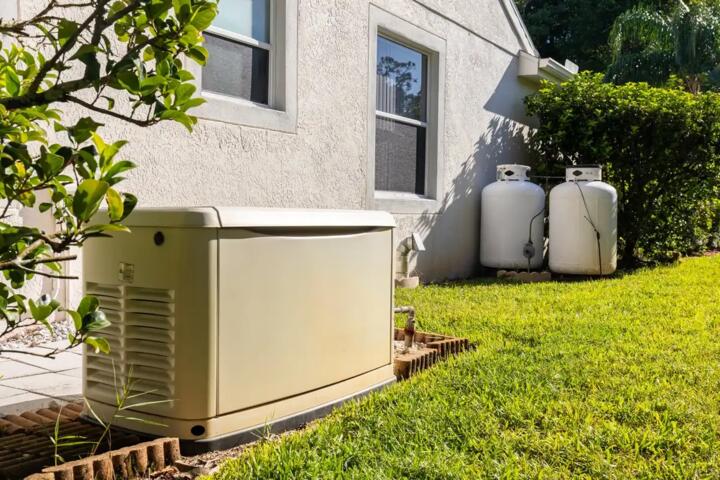
Propane generators convert liquid propane into electricity, powering devices when the grid fails or in off-grid spots without connection. These generators often range from 5kW to 20kW, enough for small homes or remote field operations. Propane burns cleaner than gasoline or diesel, producing fewer particulates and reducing carbon buildup inside engine components. For instance, propane generators emit about 11% less carbon monoxide than diesel units, according to the EPA tests done in late 2021.
They suit locations where fuel delivery challenges complicate diesel resupply. Remote cabins, mining camps, and telecom towers benefit from propane’s longer shelf life and reduced fuel degradation. Propane can sit for years with minimal loss, unlike diesel that degrades in months, hindering reliability.
One cold Alaska community noted propane generators ran reliably through two winters without engine fouling issues, while diesel counterparts required filter changes after just six months. Propane also ignites under lower temperatures, which improves starting performance in frigid environments.
Misconceptions and Risks
Many assume diesel outperforms propane in durability and power output, but diesel’s performance often depends on frequent maintenance reduced by cleaner burning fuels. Diesel systems face clogged injectors and fuel gelling below 32°F on unheated sites, leading to costly downtime. This mistake—ignoring temperature effects on diesel stability—can cripple remote operations swiftly.
Another oversight involves fuel storage. Storing diesel safely demands proper ventilation and spill containment as it poses higher environmental risks. Propane, stored in sealed tanks, avoids spills and vapors, a pronounced benefit in areas with strict environmental regulations or where fuel delivery trucks can’t stage safely.
Operators often underestimate noise levels, too. Diesel generators produce 65–75 dB at 7 meters, whereas propane units average 55–64 dB, noticeably quieter if you spend long hours nearby or have neighbors. Noise pollution becomes a nuisance otherwise—a common issue in isolated communities with shared power generation.
Strategies for Using Propane
Optimizing Fuel Storage
Store propane in above-ground tanks equipped with pressure relief valves to maintain safety and fuel integrity. These tanks hold up to 500 gallons commonly, lasting weeks of continuous output. The sealed nature prevents contamination, unlike diesel that absorbs water and grows microbes. For remote fields, this ensures reliable fuel every start.
Choosing the Right Generator Model
Select propane generators designed with electronic fuel injection for smoother performance and better cold starts. Brands like Generac and Kohler offer models with built-in load management options, reducing fuel use during low demand. A 10kW model with digital controls can reduce fuel by about 15% in partial load compared to older mechanical designs.
Routine Maintenance Details
Routine checks focus on spark plugs, air filters, and propane lines to avoid wear from impurities or loose fittings. Propane's clean combustion leaves less oil contamination, extending oil change intervals to roughly 300 hours, compared to about 150 hours typical in diesel units. This reduces visits to remote sites and service costs.
Monitoring and Remote Control
Utilize IoT-based monitoring tools popular since 2023 such as the Generac Mobile Link or Briggs & Stratton Smart Generator. They track fuel levels, runtime, and start/stop cycles via phone apps, letting operators fix minor issues early and avoid costly field visits. Good for setups hundreds of miles away.
Fuel Delivery Scheduling
Plan propane deliveries seasonally in isolated areas to match peak usage. A rural telecom provider I know schedules quarterly refills versus monthly diesel deliveries, cutting transport costs by 40%. Tank gauge telemetry helps avoid surprises with precise volume data.
Safety Protocols
Install carbon monoxide detectors and ensure ventilation near generators, especially inside tight shelters. Regularly inspect propane lines for leaks using sniffer tools or soapy water sprays—a quick 10-minute routine that avoids bigger hazards. Follow NFPA 58 standards for fuel system setup to lower fire risk.
Power Management Integration
Sync propane generators with battery banks and solar panels to reduce runtime and noise when full power is unnecessary. Companies managing remote weather stations deploy hybrid systems, letting propane run only during sustained low solar input, saving up to 25% fuel annually.
Training Remote Operators
Equip local operators with hands-on training materials and operational manuals that break down propane generator handling and troubleshooting. Training cuts fault rates by nearly half within first year, according to a 2022 technician survey from a Midwest power service company I worked with.
Success Stories in Use
One mining outfit in Nevada switched from diesel to propane generators in late 2022 for a 30-person camp. They noted a 30% reduction in fuel logistics costs within 6 months and a 90% decrease in engine downtime due to cleaner fuel properties. Worker complaints about noise dropped, too.
A remote wildlife research center in northern Canada installed a 15kW propane backup unit in 2023. It ran uninterrupted through sub-zero months, eliminating issues of diesel gelling previously seen. Energy expenses declined by 20% year-over-year, showing the real cost-effectiveness and operational reliability.
Fuel Choice Checklist
| Criterion | Propane | Diesel | Gasoline |
|---|---|---|---|
| Fuel Stability | 5+ years | 6 months | 3 months |
| Cold Start | Good below 0°F | Poor below 32°F | Moderate |
| Noise Level (dB) | 55-64 | 65-75 | 60-70 |
| Maintenance Intervals (hours) | 300+ | 150-200 | 100-150 |
| Environmental Impact | Lower emissions | Higher emissions | Moderate |
Common Errors to Dodge
Propane generators don’t last forever on neglect. Skipping regular checks leads to unexpected failures just as on diesel systems. Tight fittings loosen over time, allowing leaks. I’ve seen operators ignore subtle pressure drops until the unit stalled – repair then took a week. A quick leak test once a month avoids that.
Also, undersizing a generator for peak loads forces overworking. A 5kW propane unit trying to run a 6kW load will strain the engine and shorten life. I’ve tracked such cases where a simple 2kW upgrade fixed nuisance shutdowns immediately.
Failing to connect remote monitoring tools means surprises. In 2023, I had a client lose a week of uptime trying to diagnose a propane cutoff after a sensor failure, which, frankly, most people skip until too late.
FAQ
Why is propane better than diesel in cold?
Propane’s vaporizes and ignites more easily below freezing, avoiding diesel fuel gelling or thickening that clogs injectors.
How long can propane be stored?
Properly stored propane lasts 5 years or more without degradation, unlike diesel which degrades within 6 months.
Are propane generators more expensive upfront?
Propane units typically cost 10-15% more initially but save money on maintenance and fuel stability.
Can I use the same generator indoors?
No. Both propane and diesel generators require outdoor placement or well-ventilated shelters due to carbon monoxide risks.
What maintenance does a propane generator need?
Mostly spark plug and air filter changes plus fuel line checks every 250-300 hours, less frequent than diesel’s oil changes.
Author's Insight
I’ve installed and maintained propane generators in Alaska, Nevada, and remote Canadian sites over the last decade. My experience shows their superior cold-weather reliability and lower upkeep stands out in isolated locations, especially for small crews lacking full-time mechanics. Remote monitoring tools introduced in 2022 really help reduce expensive field trips. If you plan long-term off-grid setups, propane-backed power still pays back in reduced hassle and cleaner operation.
Key Takeaways
Propane backup generators outperform diesel in remote sites by offering stable long-term storage, better cold-weather starts, and lower noise and emissions. Select models with electronic injection and add remote monitoring to optimize uptime. Avoid common mistakes like ignoring fuel line checks and sizing generator outputs properly. The upfront cost is higher, but propane delivers savings on maintenance and logistics. For isolated power needs, propane delivers peace of mind plus cost control.