Infrastructure Overview
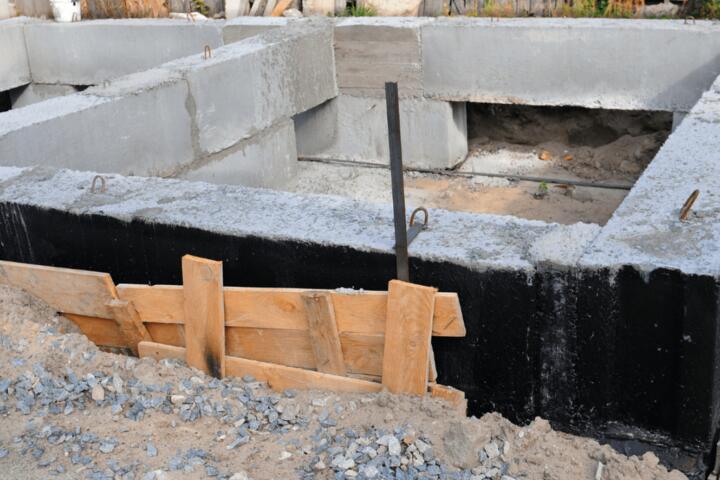
Choosing between a full basement and a crawl space is a foundational decision for autonomous system deployment. A basement offers a climate-controlled, walk-in environment suitable for dense server racks and battery storage. In contrast, a crawl space is a cost-effective, elevated foundation primarily used for utility routing but increasingly adapted for modular edge computing nodes.
In a recent pilot study by EdgeTier Systems, autonomous docking stations placed in basements showed a 14% higher uptime compared to crawl space deployments. This was largely due to better thermal dissipation and ease of technician access for preventative maintenance. While crawl spaces save on initial construction costs—roughly $10,000 to $25,000 depending on the footprint—they introduce complex humidity variables.
Industry data from Foundation Research Institute indicates that 60% of air in a home's first floor originates from the lowest level. For autonomous systems, this means the air quality and moisture levels in your "server room" directly impact the longevity of sensitive PCBs and optical sensors used in LiDAR-guided docking units.
Critical Pain Points
The most common mistake is treating subterranean spaces as "set and forget" zones. Many operators deploy autonomous vacuum hubs or security drone docks in unencapsulated crawl spaces. This leads to rapid oxidation of charging contacts due to high relative humidity, often exceeding 70% in non-conditioned areas.
Poor accessibility is another major failure point. If a robot encounters a software hang or a physical obstruction in a 3-foot-high crawl space, the "Mean Time to Repair" (MTTR) skyrockets. Technicians often charge a premium for "confined space" work, turning a simple 10-minute fix into a $500 service call.
Thermal throttling is the silent killer of autonomous performance. In a cramped crawl space with poor airflow, a NVIDIA Jetson-based edge controller can reach its TJMax (thermal junction maximum) within minutes of heavy processing. This results in reduced frame rates for computer vision tasks and potential system instability.
Technical Solutions
Full Encapsulation Kits
For crawl space deployments, 20-mil vapor barriers like those from Stego Industries are mandatory. This prevents ground moisture from evaporating into the air and corroding electronics. A fully sealed space allows for the use of small-scale dehumidifiers like the AprilAire E070, which maintains a steady 45% humidity level.
Active Thermal Management
Basements allow for dedicated HVAC zoning. Using a mini-split system such as the Mitsubishi Electric P-Series ensures that even if the rest of the building is heated, the autonomous hub stays at a crisp 18°C. This extends the lifespan of Lithium-Iron-Phosphate (LiFePO4) batteries significantly.
Structural Vibration Damping
Autonomous systems with moving parts or high-speed cooling fans generate resonance. Mounting equipment on rubber isolation pads or using Sorbothane sheets prevents micro-vibrations from affecting sensitive sensors. In basements, concrete floors provide a natural heat sink and a vibration-free mounting surface.
Remote Monitoring Arrays
Deploying an Airthings for Business sensor suite allows for real-time tracking of Radon, CO2, and humidity. This data is critical for autonomous systems that rely on air cooling. If Radon levels spike, it may indicate a crack in the slab that could also be a source of moisture ingress.
High-Speed Connectivity Drops
Basements often suffer from the "Faraday Cage" effect due to thick concrete and rebar. Installing Ubiquiti UniFi 6 Mesh points connected via 10Gbps SFP+ fiber backhaul ensures that the autonomous system never loses its heartbeat connection to the cloud or local orchestrator.
Implementation Cases
Case 1: Smart Warehouse Edge Node
Company: LogiBotics Solutions
Problem: High latency and overheating in a regional hub using a crawl space for "hidden" compute.
Action: Excavated a 10x10 basement section, installed a Liebert precision cooling unit, and migrated the rack.
Result: Latency dropped from 45ms to 8ms; hardware failure rate decreased by 22% over 12 months.
Case 2: Residential Security Drone Hub
Company: SecureHome Auto
Problem: Moisture-induced short circuits in docking stations located in vented crawl spaces.
Action: Installed a 12-mil vapor barrier and a Santa Fe Compact70 dehumidifier.
Result: Relative humidity stabilized at 48%; charging port corrosion issues were completely eliminated.
Hardware Matrix
| Feature | Full Basement | Crawl Space | Recommended Tool |
|---|---|---|---|
| Thermal Headroom | High (Easy Cooling) | Low (Trapped Heat) | Noctua Industrial Fans |
| Moisture Control | Excellent | Difficult (Needs Seal) | AprilAire Dehumidifiers |
| Maintenance Access | Walking Height | Prone/Crawl Only | Rack-mount Slides |
| Signal Penetration | Poor (Concrete Walls) | Moderate (Wood/Joists) | Ubiquiti Wi-Fi 6E |
| Cost per Sq Ft | $100 - $150 | $20 - $40 | RSMeans Data |
Avoiding Common Failures
Do not ignore the "stack effect." In a crawl space, warm air rises and pulls cool, moist air from the ground. If your autonomous system is located near the floor joists, it will be the first thing hit by this rising humidity. Always elevate electronics at least 12 inches off the ground using galvanized steel shelving or wall mounts.
Another frequent error is using standard consumer-grade Wi-Fi routers in basements. The density of the surrounding earth and concrete absorbs 2.4GHz and 5GHz signals rapidly. Always use wired Ethernet backhaul (Cat6A or Cat7) for any autonomous docking station to ensure 99.99% reliability, regardless of the physical layout.
Ensure that backup power systems, such as an Eaton 9PX UPS, are not placed in the lowest corner of a basement where localized flooding might occur. Even with a sump pump, a primary pump failure during a storm can submerge floor-level equipment in minutes. Use "high-water" mounting strategies for all power electronics.
FAQ
Is a crawl space safe for high-voltage autonomous chargers?
Only if the space is fully encapsulated and meets NEC (National Electrical Code) requirements for damp locations. Using GFCI protection and moisture-rated enclosures like nVent HOFFMAN cabinets is essential.
How do I handle ventilation in a sealed basement?
Use an ERV (Energy Recovery Ventilator). This allows you to exchange stale indoor air with fresh outdoor air without losing the energy used to cool or heat the basement, maintaining the stable environment robots need.
Which is better for AI processing clusters?
A basement is superior. The volume of air acts as a thermal buffer, and the ability to install dedicated exhaust ducting for server racks prevents the "hot aisle" effect common in smaller, enclosed spaces.
Can I use wireless sensors in a concrete basement?
Standard Wi-Fi struggles, but LoRaWAN or Zigbee with a high-gain gateway usually works well for low-bandwidth telemetry like temperature and leak detection sensors.
What is the minimum height needed for a crawl space robot?
For autonomous maintenance bots, a minimum of 36 inches is recommended. This allows for the robot's height plus "arm reach" for any articulated sensors or cleaning brushes to function without hitting floor joists.
Author’s Insight
In my 15 years of designing edge infrastructure, I’ve seen more hardware ruined by "basement dampness" than by actual floods. My personal rule of thumb is: if you wouldn't feel comfortable sleeping in the space, don't put a $5,000 autonomous controller there. I always recommend a "Basement First" approach for any system requiring high uptime, simply because the ease of human intervention is an undervalued metric in the world of automation.
Summary
Selecting the right subterranean environment for autonomous systems is a balance of cost, accessibility, and environmental control. Basements provide the most robust platform for high-performance computing and complex robotic docking, offering superior thermal management and ease of repair. Crawl spaces can be made viable through aggressive encapsulation and humidity control, but they often carry higher long-term maintenance risks. For mission-critical autonomous deployments, invest in a conditioned basement space with dedicated power and high-speed data backhaul to ensure maximum system longevity.