Living with Nature
Ecological integration is no longer a luxury but a necessity as suburban sprawl encroaches on historical habitats. Sharing a backyard requires moving beyond "pest control" toward active habitat management where boundaries are clearly defined through behavior modification and physical deterrents.
In practice, this looks like a homeowner in the Hudson Valley replacing ornamental hostas with spicebush to deter deer while installing a high-tension electric wire around a chicken coop to prevent bear entry. It is about understanding the caloric needs of local fauna to predict their movements.
According to the Association of Fish & Wildlife Agencies, human-wildlife conflicts cost U.S. homeowners over $1.5 billion annually in property damage. Furthermore, research indicates that 70% of bear-human conflicts are directly linked to improperly stored garbage or bird feeders left out during active months.
Core Conflict Drivers
The primary mistake most residents make is "accidental provisioning." By leaving a bowl of pet food on the porch or using a standard plastic trash bin, you are essentially issuing an open invitation to every opportunistic feeder within a five-mile radius.
This is critical because once a bear associates a human dwelling with a high-calorie reward, it becomes "food-conditioned." This behavioral shift is almost always a death sentence for the animal, as wildlife agencies often have to euthanize habituated animals that lose their fear of humans.
Consequences range from destroyed expensive landscaping (a single deer can consume 6–8 pounds of greenery daily) to dangerous physical encounters. Real-world situations often involve mother bears teaching cubs that "silver boxes" (trash cans) contain easy meals, perpetuating a cycle of property destruction.
Precision Solutions
Advanced Ursine Deterrence Strategies
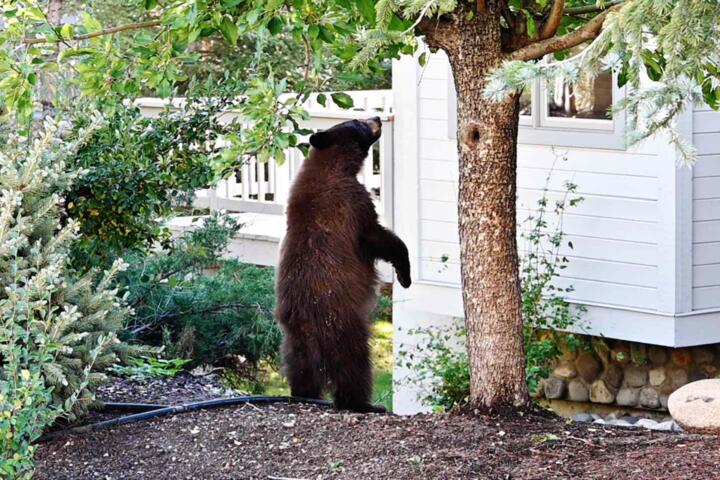
To manage black bears (Ursus americanus), you must eliminate the scent trail. Use Bearicuda or Toter certified bear-resistant containers which feature reinforced latching systems tested by the Interagency Grizzly Bear Committee (IGBC).
In practice, this means storing trash inside a garage until the morning of pickup. If you must keep bins outside, an ammonia-soaked rag placed inside the lid acts as a chemical deterrent. These methods reduce the likelihood of a "break-in" by over 90% in high-activity corridors.
Designing Deer-Resistant Landscapes
Instead of relying on ineffective "home remedies" like soap or hair, utilize the Rutgers University rating system for landscape plants. Transition your garden to "Category A" plants like Boxwood, Pieris, or Lavender which deer rarely touch due to texture and scent.
For high-value plants, apply a dual-action repellent like Liquid Fence or Deer Out. These products use putrescent egg solids and garlic oils to trigger a fear response. Reapply every 30 days or after heavy rain; consistent application can reduce grazing damage by up to 85%.
Safe Bird Feeding Protocols
Bird enthusiasts should transition to "no-mess" blends from Wild Birds Unlimited to prevent hulls from accumulating on the ground, which attracts rodents and bears. Use weight-sensitive feeders like the Squirrel Buster Plus to limit access to target species only.
During peak bear activity (March to November), it is mathematically safer to replace seed feeders with bird baths or native plantings like Coneflower (Echinacea). A heated bird bath provides a vital resource in winter without the risk of attracting large predators.
Implementing Physical Exclusion Barriers
Hardware cloth (1/4 inch mesh) is the gold standard for preventing birds and small mammals from nesting in eaves or under decks. Unlike chicken wire, it is strong enough to resist chewing and small enough to block entry to tiny cavities.
For gardens, a 7-foot polypropylene mesh fence is the minimum height required to stop a jumping deer. If aesthetic concerns prevent tall fencing, a 3D fence—two shorter parallel fences spaced 3 feet apart—exploits a deer's poor depth perception and discourages jumping.
Utilizing Motion-Activated Technology
Devices like the Orbit Yard Enforcer use infrared sensors to detect movement and fire a high-pressure burst of water. This creates a negative association with your yard without causing physical harm to the animal.
This technology is highly effective for night-time visitors. In field tests, motion-activated sprinklers reduced deer browsing in targeted zones by 75% over a six-week period. It is a set-and-forget solution that conserves water by only activating upon detection.
Wildlife Impact Cases
Case Study: The Boulder Heights Community
A 50-home development in Colorado faced a 40% increase in bear sightings and garage entries. The homeowners association mandated Bear-Saver enclosures for all residents and banned bird feeders from April to October.
The result: Within one season, reported bear incidents dropped by 82%. The cost of the bins was offset by the reduction in property damage claims, proving that communal compliance is the most effective deterrent.
Case Study: Heritage Botanical Garden
A private estate lost $15,000 in rare perennials to deer in a single spring. They implemented a rotating schedule of Plantskydd (a blood-meal based repellent) and installed 3D electric fencing around the perimeter.
The result: Plant loss was reduced to less than 2% in the following year. The "scent-barrier" approach proved more cost-effective than building a permanent 8-foot stone wall, saving the client over $40,000 in construction costs.
Backyard Defense Matrix
| Species | Primary Deterrent | Secondary Method | Annual Cost (Est.) |
|---|---|---|---|
| Black Bears | IGBC-Certified Bins | Electric Fencing | $200 - $500 |
| White-tailed Deer | Area Repellents | Deer-Resistant Flora | $50 - $300 |
| Songbirds | Window Decals | Weight-Trigger Feeders | $20 - $100 |
| Small Mammals | Hardware Cloth | L-Shaped Trenching | $30 - $150 |
Avoiding Pitfalls
A frequent error is the "set it and forget it" mentality with repellents. Animals are smart; they adapt to a single scent or sound if it isn't rotated. I recommend switching between taste-based and scent-based repellents every two months to keep their sensory systems on edge.
Another mistake is the use of ultrasonic noise makers. Multiple studies from the University of Nebraska-Lincoln have shown these devices have negligible long-term effects on wildlife. Save your money and invest in physical barriers or motion-activated water sprayers instead.
Finally, avoid feeding "nuisance" animals to keep them away from your garden. Feeding a deer a handful of corn only teaches it to wait at your back door, eventually leading to aggressive behavior or attracting larger predators like mountain lions that follow the deer.
FAQ
Can I use motion lights to stop bears?
Motion lights may startle a bear initially, but they quickly habituate to them. Lights are better used as an alert system for you rather than a deterrent for the bear. Combine lights with a noise or water-based deterrent for better results.
Which plants are 100% deer-proof?
No plant is 100% deer-proof if the animal is hungry enough. However, Narcissus (Daffodils) and Alliums are as close as it gets because they are toxic or highly unpalatable. Always have a backup repellent plan for "deer-resistant" species.
How do I stop birds from hitting windows?
Birds hit windows because they see a reflection of the sky or trees. Use CollidEscape high-performance window film or Acopian BirdSavers (paracord curtains). Decals must be spaced no more than 2 inches apart to be effective.
Is it legal to relocate a trapped animal?
In many states, it is illegal to relocate wildlife like raccoons or squirrels without a permit because it spreads disease and usually results in the death of the relocated animal. Check your local Department of Natural Resources (DNR) guidelines first.
Are electric fences safe for pets?
Most modern electric garden fences use low-amperage, high-voltage pulses that provide a sharp but safe "sting." They are designed to startle, not injure. However, always use clear warning signs and follow the manufacturer’s installation height for safety.
Author’s Insight
In my fifteen years of managing rural properties, I have learned that wildlife management is 10% biology and 90% human psychology. We tend to want a "magic bullet," but the reality is that consistency beats intensity every time. My most successful clients are those who walk their perimeter once a week to check for breeches and rotate their deterrents religiously. Remember, you aren't trying to eradicate the animals; you are simply making your neighbor's yard look much more inviting than yours.
Summary
Successful coexistence with wildlife requires a proactive strategy built on exclusion, deterrents, and intelligent landscaping. Start by auditing your waste management and identifying high-value plants that require protection. By utilizing IGBC-certified containers, motion-activated sprayers, and deer-resistant cultivars, you can maintain a beautiful property that respects the local ecosystem. Take the first step today by securing your trash and installing window protection to prevent immediate avian and ursine conflicts.