Distance And Daily Reality
Distance shapes rural living because it changes the time and uncertainty between a need and a response. A 20-minute drive to a clinic can become a 90-minute trip when roads flood, a bus route skips a stop, or a provider’s schedule runs late. That gap affects routine care, medication continuity, and even how people decide when to seek help. In practical terms, distance turns “later” into a variable you must manage, not a promise you can assume.
Rural households often plan around fixed points: a weekly grocery run, a monthly pharmacy pickup, or a school calendar that dictates when childcare is possible. When those points move, the knock-on effects spread quickly. A missed refill can mean a dose gap, and a dose gap can mean symptoms return before the next appointment slot. I’ve seen people track this informally with a calendar app—one person mentioned using iOS 17.5 reminders because paper notes disappeared during busy weeks.
Distance also changes how emergencies behave. Response times depend on road conditions, staffing, and how far the nearest unit is from the call. Even when emergency services are well trained, travel time can shift outcomes for time-sensitive problems. The same injury can look “manageable” at home and become urgent once you factor in transport delays and the availability of imaging or lab testing.
Main Problems Rural Residents Face
People often underestimate how distance affects continuity rather than just access. A clinic that exists on a map may still be functionally distant if appointments are scarce, if transportation is limited, or if the nearest lab closes early. Rural care can also involve multiple handoffs—primary care, imaging, specialist follow-up—each adding another scheduling barrier.
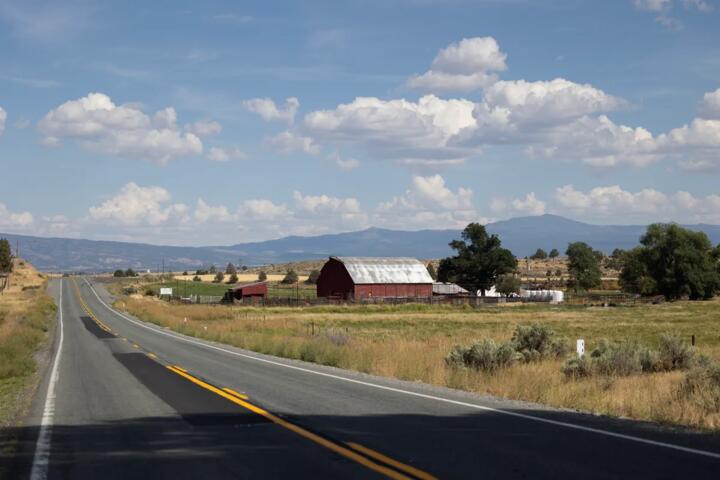
Another common misunderstanding involves “distance” as only miles. Travel time depends on road type, weather, and seasonal closures. A gravel road can add minutes that compound across a day, and a winter storm can turn a short trip into a multi-day delay. When someone says “the hospital is 30 minutes away,” the statement may hold on clear days and fail during freeze-thaw cycles.
Supporting technologies create dependencies that people rarely see. Pharmacy systems need working internet for refill requests, and some rural areas have spotty coverage. Telehealth can reduce travel, but it depends on broadband quality, device reliability, and whether the clinician can order tests locally. If a video visit cannot be paired with a nearby lab or imaging center, the distance problem returns in a different form.
Finally, distance interacts with household capacity. A person without a second driver, without paid leave, or without a flexible job schedule experiences distance as a cost, not just a delay. That cost can lead to postponed appointments, which then increases the chance that problems require more intensive care later.
Solutions And Advice For Planning
Build A Care Timeline
Create a simple timeline that starts with medication and appointment dates, then works backward for transport and paperwork. For example, if a refill is due on the 15th and the pharmacy pickup is every other week, you need a request earlier than the due date. Many pharmacies accept refill requests by phone or online portals, but the request still needs processing time and stock availability. A practical target is to request refills 3–7 days before the last dose date, then adjust based on how long your local pharmacy typically takes.
Track “handoff dates” too: when lab orders expire, when imaging results are sent, and when follow-up visits are scheduled. Some systems require clinicians to re-enter orders if they lapse, which can add days. One aside from a community health volunteer: they often see delays when patients arrive with a printed order that the clinic cannot scan, so they now ask for the order number or a photo of the order details.
Use Telehealth With Boundaries
Telehealth can reduce travel for certain issues, but it works best when the visit has a clear plan for tests or prescriptions. Before booking, confirm whether the clinician can prescribe for your condition and whether your local pharmacy can fill the medication. If the appointment depends on vitals, ask what you need at home: a blood pressure cuff, a thermometer, or a pulse oximeter. Devices vary; for example, pulse oximeters can read inaccurately with cold fingers or poor sensor contact, so warm hands and correct placement matter.
When a problem likely needs imaging or labs, telehealth should trigger a next step rather than replace it. Ask the clinic to specify where the test will happen and how results will be communicated. If the plan relies on faxing or manual transfers, build in extra time because rural offices sometimes batch paperwork on certain days.
Plan For Weather And Roads
Distance planning needs a weather layer. Keep a “go bag” for medical trips: a list of medications, allergies, insurance or coverage details, and a contact card for who to call. If you drive, check tire tread and battery condition before winter; if you rely on rides, confirm backup options when storms hit. Road closures can be sudden, so a plan that depends on one route can fail.
For time-sensitive symptoms, decide in advance what triggers urgent care versus waiting for the next appointment. Use your clinician’s guidance if you have it, and if you do not, ask for a written threshold plan. People often delay because they hope symptoms will pass, but distance means the “pass” window can shrink when transport is delayed.
Coordinate Transportation And Coverage
Transportation planning includes more than rides. If you use public transit, check whether routes run on the same days as clinic hours and whether stops require advance scheduling. If you drive, consider whether you can park safely and whether the clinic has accessible entrances during snow or heavy rain.
Coverage coordination matters because rural services can involve multiple billing entities. Ask the clinic or hospital office whether a referral is required and whether prior authorization applies to imaging or certain medications. In the US, prior authorization rules vary by insurer and plan type, and they can add days. If you’re outside the US, local rules differ, so check your national or regional coverage requirements rather than assuming the same workflow.
Case Examples From Rural Households
Example 1: Pharmacy continuity during winter. A household in a rural county schedules a pharmacy pickup every two weeks. A chronic medication runs out on a Tuesday, but the next pickup is Friday of the following week. They request a refill on the Monday before the due date, yet the pharmacy needs 48–72 hours to process and confirm stock. The household ends up with a short dose gap because the refill request arrived too late for the local processing timeline. Afterward, they shift to requesting refills 5–7 days early and set a reminder that triggers a call if the pharmacy does not confirm by a specific date.
Example 2: Telehealth for follow-up, lab for confirmation. A patient with recurring symptoms uses a video visit for triage and medication adjustment. The clinician orders a lab test and instructs the patient to complete it at a nearby clinic lab. The patient assumes the lab will be “part of the video visit,” but the lab requires separate scheduling and has limited hours. The follow-up appointment then slips because results arrive after the clinician’s review window. The patient improves the process by asking for the lab’s hours and result turnaround time before the video visit ends, then scheduling the follow-up after the lab date.
Distance Planning Checklist
| Decision Point | What To Check | Common Failure Mode | Practical Fix |
|---|---|---|---|
| Refills | Processing time and pickup schedule | Request sent after the last-dose date | Request 3–7 days early; set a “no confirmation” call date |
| Telehealth | Whether tests can be ordered locally | Visit ends without a test or follow-up plan | Ask for the test location and result turnaround before ending the call |
| Urgent symptoms | Transport time and thresholds | Waiting for the next appointment slot | Use a written threshold plan from your clinician; call emergency services when thresholds are met |
| Road disruptions | Alternate routes and backup rides | Single-route dependence during storms | Confirm backup options and keep a medical info card in your vehicle |
Common Mistakes That Cost Time
One frequent mistake is treating appointment dates as fixed points while ignoring the time needed for paperwork. Referral forms, insurance verification, and prior authorization can add days, and rural clinics may batch tasks on certain days. If you show up without the right documentation, the visit can turn into a reschedule rather than a completed appointment.
Another error involves assuming that “nearby” means “same-day.” Rural labs and imaging centers often have limited hours, and results may take longer to return to the ordering clinician. If you plan travel based on the appointment time alone, you can miss the window for results review and end up waiting for the next slot.
People also overestimate device accuracy when distance limits access to in-person checks. A home blood pressure reading can vary with cuff fit and resting time, and a pulse oximeter can misread with cold extremities. When you use home measurements, record the conditions and repeat when readings look inconsistent.
Finally, households sometimes rely on a single contact method. If a clinic uses a patient portal that has intermittent access, or if phone coverage drops during storms, messages can stall. A backup plan for communication reduces the chance that distance turns into a communication failure.
FAQ
How does distance affect emergency care?
Travel time to a facility and the availability of imaging or labs can delay diagnosis and treatment. Response times depend on road conditions, staffing, and the distance from the nearest unit, so outcomes can vary even when care quality is high.
What should I track to prevent medication gaps?
Track your last-dose date, refill request processing time, and your pickup schedule. Request refills early and record when the pharmacy confirms so you can call before a dose gap occurs.
When does telehealth reduce travel effectively?
Telehealth helps most when the clinician can prescribe based on history and home measurements and when follow-up tests can be scheduled locally. If the plan depends on imaging or labs, confirm locations and result turnaround before the visit ends.
How can I plan for road closures during bad weather?
Use a backup route or backup ride plan, keep medical information in your vehicle, and decide in advance which symptoms trigger urgent evaluation. Weather can change quickly, so build buffer time into travel plans.
What questions should I ask a rural clinic before booking?
Ask about appointment availability, referral requirements, prior authorization timing, lab or imaging hours, and how results reach you. If you rely on transportation, ask whether the clinic can accommodate your schedule constraints.
Author's Insight
Distance shapes rural living through time, uncertainty, and the number of steps between a need and a completed outcome. The strongest planning strategies focus on continuity: medication timing, test scheduling, and communication paths that survive weather and limited connectivity. Telehealth can reduce travel, but it works best when it ends with a concrete next step that local services can complete. Many rural households already manage this with calendars and reminders; the difference is making the plan measurable and checking assumptions about processing times.
Key Takeaways
- Distance affects continuity, not only access, because each step adds scheduling and processing time.
- Plan medication refills using local processing timelines, not the date printed on the bottle.
- Telehealth works best when tests and prescriptions have a clear local follow-through plan.
- Weather and road disruptions require backup routes, backup rides, and written symptom thresholds.
- Ask clinics about referrals, prior authorization timing, lab hours, and result turnaround before committing to travel.