Volume-Based Nutrition
The retail food industry is built on "convenience premiums," where smaller packaging sizes carry significantly higher markups. When you purchase a 1lb bag of rice, you are paying for the plastic, the shelf space, and the logistics of small-scale distribution. By shifting to 25lb or 50lb units, you fundamentally change the unit economics of your kitchen.
Statistical data from the Bureau of Labor Statistics consistently shows that staples like grains, legumes, and certain proteins can be 30% to 50% cheaper when purchased in bulk formats. For example, buying organic quinoa in a 2lb container at a standard grocer might cost $5.50 per pound, whereas a 25lb bag from a wholesaler like Azure Standard or Costco can drop that price to under $3.00 per pound. This price delta, compounded across all dry goods, represents thousands of dollars in annual savings.
Home Economy Gaps
The primary reason most consumers fail at bulk buying is a lack of "preservation infrastructure." Buying 20 lbs of chicken breast because it’s on sale is a liability, not an asset, if 5 lbs of it spoils before consumption. This "spoilage tax" often negates the initial savings of the bulk purchase.
Furthermore, many beginners lack the technical knowledge regarding oxygen absorbers, moisture control, and enzymatic browning. Without proper sealing, bulk grains can become infested with weevils, and frozen meats can suffer from sublimation (freezer burn). These failures lead to a psychological "rebound effect" where the consumer returns to expensive, small-batch shopping out of fear of waste.
Food Management Methods
Precision Vacuum Sealing for Protein Longevity
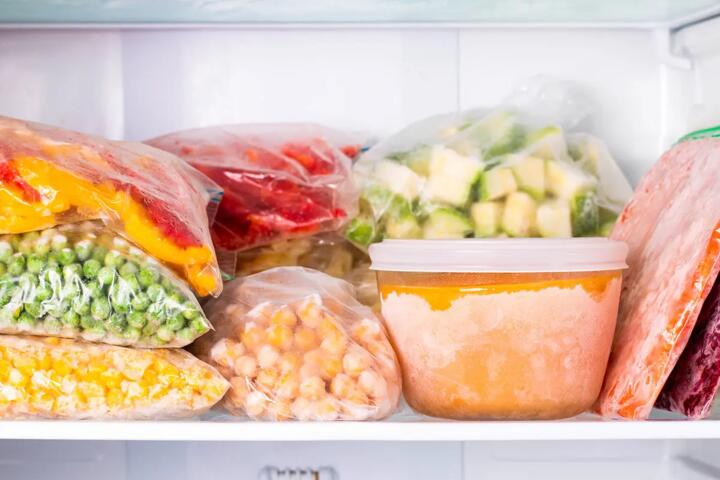
Air is the primary catalyst for food degradation. Standard freezer bags allow oxygen exchange, leading to ice crystal formation and fat oxidation. Utilizing a vacuum sealer, such as those from FoodSaver or Mueller, extends the freezer life of beef and poultry from 4 months to nearly 3 years. When buying "family packs" of meat, portioning them immediately into vacuum-sealed pouches ensures the quality remains at peak levels for the duration of the storage.
Dry Goods Stabilization with Myalr and Oxygen Absorbers
For long-term storage of rice, beans, and flour, standard plastic bins are insufficient. The gold standard is 7-mil Mylar bags paired with 300cc to 500cc oxygen absorbers. By removing oxygen to a level below 0.1%, you eliminate the possibility of insect life and prevent the oils in grains from turning rancid. This method allows white rice to remain shelf-stable and nutritionally dense for over 25 years.
The "First In, First Out" (FIFO) Inventory System
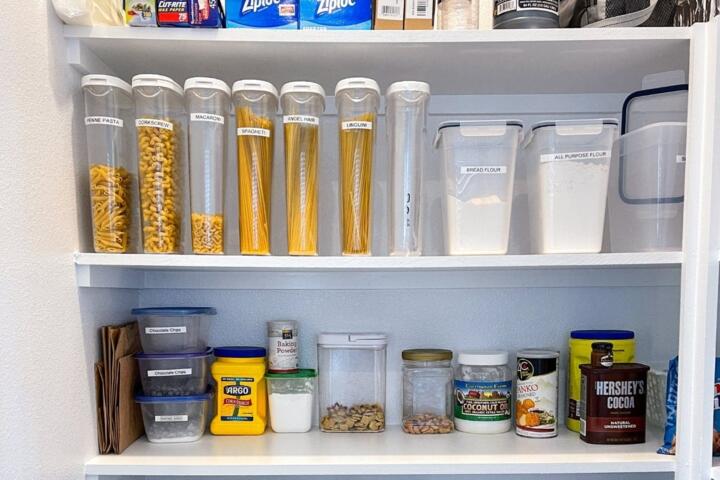
Organizational failure is a hidden cost. Professional kitchens use FIFO to ensure nothing reaches its expiration date. At home, this means labeling every bulk container with a "Packed On" date and a "Best By" date. Implementing a simple gravity-feed can rack or a tiered shelving unit ensures that the oldest stock is always at the front, maintaining a constant rotation of fresh inventory.
Dehydration for Nutrient Concentration
When seasonal produce like tomatoes, peppers, or berries hit their price floor, dehydration is the most cost-effective preservation tool. Using a high-quality dehydrator like an Excalibur or Cosori, you can reduce the volume of bulky vegetables by 90% while retaining nearly 100% of the fiber and mineral content. These dried goods can then be powdered to create homemade "instant" soup bases or rehydrated for stews, bypassing the need for expensive canned versions.
Home Canning and the Pressure Advantage
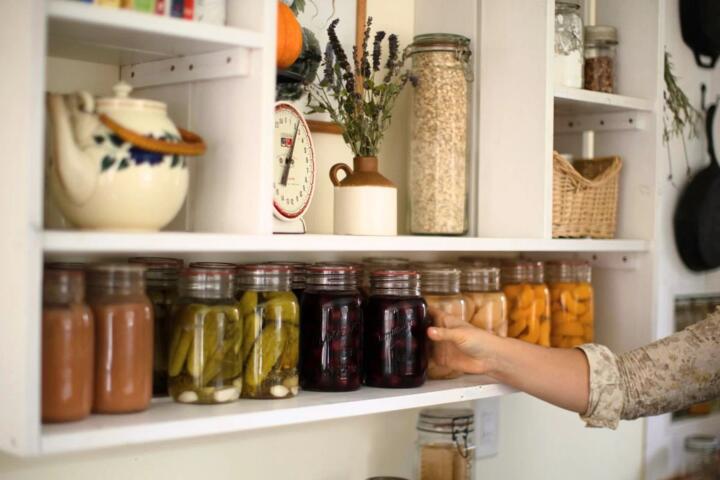
Water bath canning is excellent for high-acid fruits, but for low-acid vegetables and meats, a pressure canner (such as those from All American 1930 or Presto) is essential for safety. Pressure canning allows you to buy 50 lbs of potatoes or carrots and turn them into "ready-to-eat" meals that sit on a room-temperature shelf. This eliminates the reliance on freezer space and protects your food investment during power outages.
Bulk Success Cases
Case Study 1: The Meat Share Pivot
A family of four transitioned from buying weekly supermarket meat to purchasing a "quarter cow" directly from a local farm. The upfront cost was $900, but the average price per pound for all cuts (including ribeye and filet mignon) was $6.50. Compared to retail prices, where premium cuts exceed $15/lb, the family saved $1,100 over eight months and significantly improved the quality of their protein intake.
Case Study 2: The Staple Reserve Strategy
A suburban household invested $300 in Wallaby Mylar bags and 200 lbs of assorted grains/legumes. By buying these items at a restaurant supply store instead of a boutique grocery chain, they lowered their "cost per calorie" by 65%. In 2022, when global supply chains caused a 15% spike in grain prices, this household was insulated from the inflation, drawing from their pre-paid reserve.
Bulk vs Retail Comparison
| Item | Retail (Avg) | Bulk (Avg) | Storage & Life |
|---|---|---|---|
| White Rice | $1.40 / lb | $0.45 / lb | Mylar + O2. (25+ Yrs) |
| Ground Beef | $6.00 / lb | $3.80 / lb | Vacuum Seal. (2-3 Yrs) |
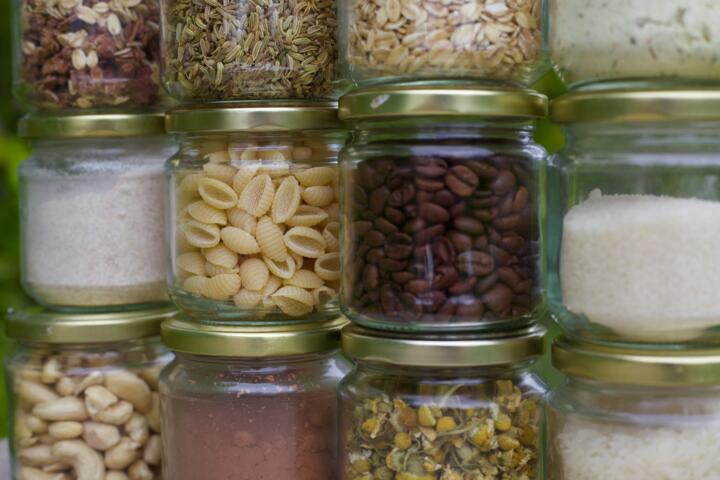
| Dried Beans | $1.80 / lb | $0.70 / lb | Airtight Glass. (10+ Yrs) |
| Chicken Breast | $4.50 / lb | $2.20 / lb | Pressure Can. (2-5 Yrs) |
Common Pitfalls
One of the most dangerous errors is "wet packing" or canning in a water bath when a pressure canner is required. This creates a risk of botulism, a tasteless and odorless toxin. Always follow USDA or National Center for Home Food Preservation guidelines for processing times and pressures.
Another mistake is storing bulk goods in the garage or attic. Heat is the secondary enemy of food storage after oxygen. Fluctuating temperatures can cause condensation inside sealed bags and accelerate the breakdown of vitamins. For every 10-degree Celsius increase in temperature, the shelf life of your stored food is effectively halved. Aim for a cool, dark, and dry environment for your "food bank."
FAQ
Is it cheaper to buy bulk if I live alone?
Yes, provided you focus on dry goods and have a small vacuum sealer. You can buy a large bag of coffee beans or oats and seal them in 1-week portions. The per-unit savings still apply regardless of household size.
Do I need to buy a chest freezer for bulk buying?
It is highly recommended. A 7-cubic-foot chest freezer from brands like GE or Danby is highly energy-efficient and allows you to capitalize on seasonal meat sales that wouldn't fit in a standard refrigerator-freezer combo.
How do I know if my vacuum seal has failed?
The bag should be "brick hard" and tight against the food. If the plastic is loose or you see air pockets, the seal has been compromised. Use that item immediately or re-seal it if there are no signs of spoilage.
Which bulk items offer the highest ROI?
Rice, beans, flour, sugar, and salt have the highest return on investment because they are dirt cheap in volume and have the longest shelf lives. Cooking oils and spices also offer significant savings but have shorter windows of peak freshness.
Where is the best place to buy bulk outside of Costco?
Look for local "Restaurant Supply" stores that are open to the public, like Chef'Store or Restaurant Depot. You can also join "Bulk Buying Clubs" like Azure Standard which drop off large orders at central community locations.
Author’s Insight
I have spent years treating my pantry like a hedge fund. In my experience, the biggest shift isn't just about the money; it's about the security of knowing that a sudden job loss or a supply chain disruption won't affect my family's nutrition. My best advice is to start with "the basics of the basics." Buy one 20lb bag of rice and four 5lb bags of beans, and learn to seal them. Once you master the workflow of processing these, you can move on to more complex items like meats and cheeses. The goal is to build a system that runs on autopilot.
Summary
Bulk buying and food preservation represent a fundamental shift from consumerism to self-sufficiency. By investing in tools like vacuum sealers and Mylar bags, you transform vulnerable groceries into stable household assets. Start by identifying the five items you use most frequently and seek out their wholesale equivalents. The transition requires an upfront investment in equipment, but the reduction in your monthly grocery bill will pay for those tools within the first 90 days. Treat your kitchen as a production center, and you will effectively "inflation-proof" your lifestyle.