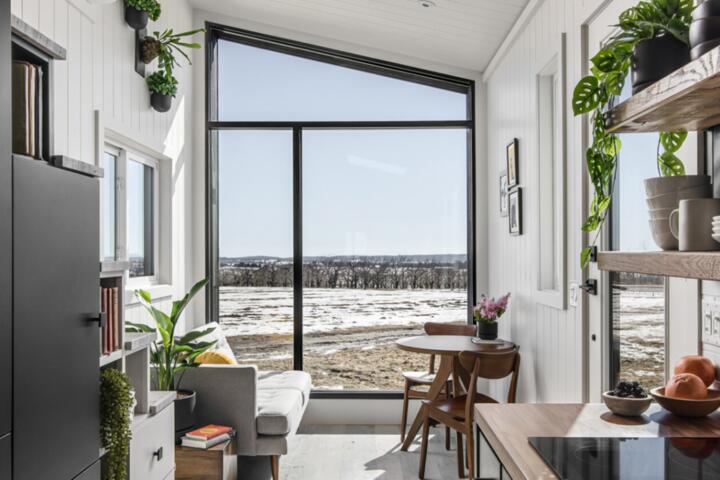
Defining Rural Luxury
Authentic rural experiences are no longer about "roughing it"; they are about curated simplicity. For a guest at a property like Soho Farmhouse in Oxfordshire, the appeal lies in the visual of a weathered timber cabin paired with the reality of underfloor heating and a high-speed Wi-Fi mesh network. It is the juxtaposition of a muddy boot room and a rain shower with Le Labo products.
In practice, this means preserving the "sense of place" through local materials—like reclaimed stone or hand-loomed textiles—while hiding the infrastructure of modern life. According to a 2023 Skift report, 68% of affluent travelers seek "sustainable isolation," where they are physically removed from cities but digitally connected to their interests and work.
One estate in Tuscany recently saw a 40% increase in off-season bookings after installing a hidden geothermal heating system. This allowed them to keep the original 18th-century terracotta floors exposed, preserving the aesthetic while solving the primary guest complaint of "cold rooms." Authenticity is the hardware; comfort is the software.
Common Integration Errors
The most frequent mistake is "over-urbanization." When a rural retreat installs shiny chrome fixtures, glass elevators, or aggressive LED strip lighting, the psychological connection to nature is severed. The guest feels they are in a suburban Marriott rather than a remote sanctuary. This architectural dissonance leads to lower "Instagramability" and reduced word-of-mouth marketing.
Neglecting infrastructure is the second pitfall. Many developers focus on high-end furniture but fail to upgrade the local power grid or septic capacity. A luxury tented camp in Montana famously faced a PR crisis when its air conditioning units repeatedly tripped the circuit breakers during a heatwave, proving that aesthetics cannot mask technical inadequacy.
Finally, there is the "disconnection gap." Providing high-tech tablets to control everything in a room can feel cold and impersonal in a farm setting. If a guest has to navigate a complex UI just to turn on a lamp, the "simple life" promise is broken. Modernity should be invisible, acting as a silent facilitator rather than a central character in the guest experience.
Strategic Enhancements
Invisible Smart Home Integration
The goal is "Analog Interface, Digital Backbone." Use Lutron lighting systems paired with custom-engraved brass toggles instead of plastic touchscreens. This preserves the tactile feel of a traditional home while allowing for energy-efficient "scenes" that mimic natural circadian rhythms. Guests appreciate the simplicity of a physical switch that secretly manages a complex DALI-dimming network.
High-Performance Thermal Envelopes
Authentic structures, like old barns or stone cottages, are notoriously drafty. Rather than replacing original windows with modern vinyl frames, use vacuum-insulated glazing like Pilkington Spacia. This allows for ultra-thin profiles that fit historic frames while providing the U-value of triple glazing. It maintains the heritage look while eliminating the "rural chill" that ruins the guest experience.
Acoustic Engineering in Nature
Rural silence is a luxury, but thin walls in wooden cabins can destroy privacy. Use Rockwool mineral wool insulation for superior sound dampening between guest rooms. In common areas, incorporate "acoustic art"—panels wrapped in local wool or linen that look like tapestries but function as sound absorbers. This ensures that the clatter of a modern kitchen doesn't disturb a guest reading by the fireplace.
Sustainable Water Management
Install high-pressure, low-flow fixtures from brands like Grohe or Hansgrohe. Guests expect a powerful shower, but rural wells often have limited yield. Modern aerators provide the sensation of high volume while using 30% less water. Pair this with a visible, eco-friendly greywater recycling system used to water the kitchen garden, reinforcing the "authentic farm" narrative.
Curated Connectivity Hubs
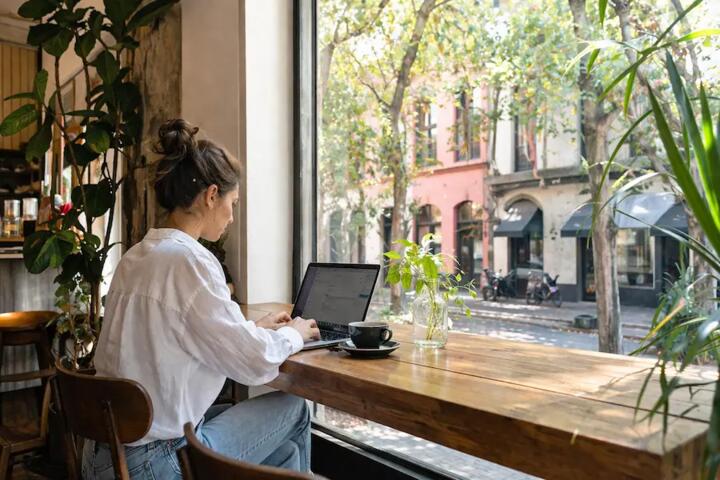
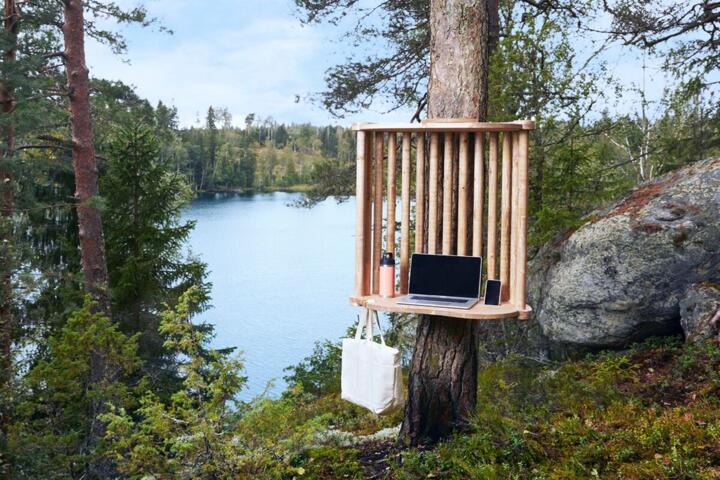
Instead of placing a TV as the focal point of the room, hide it within a bespoke cabinet or use a Samsung Frame that displays local landscape photography when off. For connectivity, utilize Starlink Business to provide fiber-like speeds in remote dead zones. This allows digital nomads to take Zoom calls from a porch overlooking a valley, blending work-life balance with rural immersion.
Bespoke Culinary Hardware
Equip guest kitchens with professional-grade but rustic-looking appliances like AGA or Lacanche ranges. These units act as a design centerpiece and provide warmth, but offer the precision of modern convection and induction cooking. This encourages guests to engage with local produce bought from the farm shop, turning a meal into a participatory event.
Operational Cases
Case Study 1: The Alpine Hideaway
A 12-room boutique lodge in the Swiss Alps struggled with high heating costs and guest complaints about "dry air." They implemented a Nest-integrated biomass boiler system using local wood waste. By adding hidden humidification sensors behind reclaimed wood paneling, they maintained a constant 45% humidity. Result: Heating costs dropped by 25%, and "sleep quality" ratings on TripAdvisor rose by 15% in one season.
Case Study 2: The Regenerative Vineyard
A vineyard in California wanted to offer "off-grid" cabins without losing luxury appeal. They installed Tesla Powerwalls hidden in weathered steel sheds and utilized SeptiTech advanced wastewater treatment. This allowed them to place cabins in the middle of the vines where traditional utilities couldn't reach. Result: They charged a 50% premium over their standard rooms, achieving 90% occupancy due to the unique "isolated luxury" value proposition.
Comfort vs. Authenticity
| Feature | Traditional (Risk) | Authentic Solution |
|---|---|---|
| Climate | Drafty, cold spots | Hydronic underfloor heating |
| Wi-Fi | No signal, dead zones | Mesh Wi-Fi hidden in rafters |
| Lighting | Dim, flickering bulbs | Warm-dimming smart LEDs |
| Bedding | Scratchy, heavy wool | Local linen + 800-thread cotton |
| Kitchen | Camping stove only | Integrated/hidden modern tech |
Pitfalls to Avoid
Avoid "Themed" Decor: Don't use fake plastic haybales or mass-produced "rustic" signs from big-box retailers. Authenticity comes from real wear and tear or artisan-made goods. If a table is wooden, it should be solid wood, not a veneer. Guests can sense "cheap" rurality instantly, which devalues the premium price point.
Don't Over-Automate: Motion-sensor lights in a bedroom are a nightmare for guests. If someone gets up at night, they don't want the whole room to flood with light. Stick to manual overrides for everything. Technology should be a servant, never a master. Always provide a physical backup for any "smart" feature.
Ignore the "Digital Detox" Myth: While many guests say they want to disconnect, statistics show they still check their phones 50+ times a day. Providing no Wi-Fi is a risky move that limits your market to a very small niche. The better approach is to provide excellent Wi-Fi but hide the passwords in a physical book to encourage a more mindful connection.
FAQ
How can I hide modern tech in an old building?
Use "shadow gaps" in joinery to hide cables and LED strips. Use furniture-integrated charging pads so guests don't see wires. For larger items like TVs, use motorized lifts that hide the screen inside a chest or at the foot of the bed when not in use.
Is underfloor heating worth the investment?
Yes. In rural settings with high ceilings or stone floors, traditional radiators are inefficient and visually intrusive. Underfloor heating provides a consistent "thermal mass" that keeps the room comfortable even when doors are opened frequently to the outside.
How do I handle poor cellular reception?
Install a commercial-grade cellular booster like WeBoost or rely on Wi-Fi calling. Ensure your internet backbone is robust (Starlink is currently the gold standard for remote areas) so that guests' phones function perfectly over the local network.
What materials balance durability and rustic style?
Quartzite or honed granite mimics natural stone but is non-porous and stain-resistant. For flooring, engineered hardwood with a hand-scraped finish offers the look of old planks with the stability needed for underfloor heating systems.
Can I be eco-friendly and high-luxury?
Absolutely. High-end guests increasingly equate sustainability with luxury. Using solar arrays, heat pumps, and organic local textiles isn't just "green"—it’s a premium brand story that justifies higher nightly rates.
Author’s Insight
In my decade of consulting for boutique rural properties, I’ve learned that guests don't actually want a "farm" experience—they want the *feeling* of a farm with the *frictionless service* of a five-star hotel. The most successful owners I know spend the most money on the things the guest never sees: the insulation, the water pressure, and the Wi-Fi stability. My advice is to invest 70% of your budget into these "invisible" luxuries and 30% into the visible "rustic" touches. A guest will forgive a slightly uncomfortable antique chair, but they will never forgive a lukewarm shower or a dropped Netflix connection.
Summary
Balancing modern comforts with rural authenticity requires a disciplined approach to design and technology. Focus on invisible integration, high-performance infrastructure, and tactile, high-quality materials. By prioritizing the "hidden" elements of luxury, you create a space that feels timeless and rugged without sacrificing the seamless convenience that modern travelers demand. Start by auditing your property’s "friction points"—the places where rural reality creates guest frustration—and solve them with high-tech, low-visibility solutions.