Rural Life for Nomads
Moving to a rural area changes the daily rhythm abruptly. Imagine trading the skyscrapers and coffee shop bustle for open fields and quiet mornings interrupted only by birds or distant tractors. Around 15 million Americans already live in rural settings while working remotely, according to a 2022 survey from Pew Research Center. The idea sounds idyllic, but it demands adjusting your expectations and habits.
If you’ve used coworking spaces in cities, preparing for a different kind of workspace is fundamental. Fast internet might be less common, with many spots still stuck on DSL or satellite rather than fiber optics. Yet rural towns offer cheaper housing and closer proximity to nature. Once the excitement of the move fades, practical concerns like groceries, healthcare, and networking surface with new urgency.
No commute is a joy. It is no wonder: the average commute time in rural America is just 20 minutes, much less than metropolitan peers. Still, remote work keeps you tethered to technology, making stability and connection non-negotiable.
Common Challenges Faced
Many jump into rural living without checking internet speeds, only to find uploads that crawl under 1 Mbps. Projects stall. Calls freeze. Pull the plug, and deadlines move closer.
Social isolation hits harder than expected. Unlike urban centers with meetups on any night, rural communities sometimes have one library with events on Wednesday. Some digital nomads assume they’ll plug in remotely, but human connection outside screens boosts motivation and mental health.
Transport limits catch many off guard. Public transit options in small towns might be nonexistent, creating a dependence on cars. That adds cost and planning challenges impacting daily errands and meeting clients or collaborators.
Healthcare access shrinks. Rural areas often have fewer specialists and longer distances to emergency facilities. A dental appointment might mean a drive of 30 miles or more.
Practical Tips and Tools
Choose Your Internet Smartly
Don’t assume “high-speed” means the same everywhere. Test upload and download speeds using Speedtest.net from different providers before moving. Some towns invest in Starlink, offering satellite internet with speeds around 150 Mbps download but latency can vary. Local telecom often lags.
Consider a backup plan: mobile hotspots from Verizon or T-Mobile can supplement home internet. In 2024, T-Mobile’s 5G coverage exceeds 280 million users, covering many rural pockets. Though not perfect, they can save a project.
Create a Dedicated Workspace
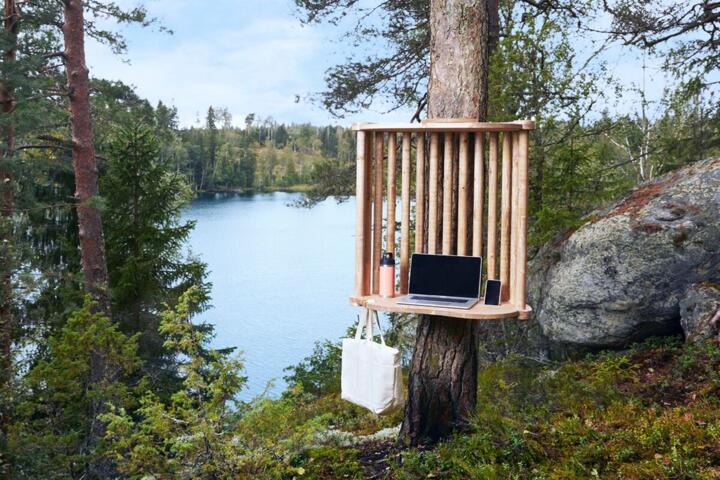
Working from a kitchen table won’t scale. Invest in ergonomic furniture, even if it’s secondhand from a local thrift store listed on Facebook Marketplace. Ambient lighting and noise-cancelling headphones help during unpredictable household sounds and outdoor serenity that’s too serene.
Test Zoom or MS Teams on your setup before major meetings. Some nomads report version 1.12.3 of Zoom is buggy on low bandwidth, so keep apps updated to avoid surprises.
Engage Locals Early
Join town councils, farmers’ markets, or community clubs. Volunteering can break ice and secure invitations to local dinners or workshops. Socialize face-to-face; it replaces bar hopping in cities.
Manage Transportation Needs
Buy or lease a reliable vehicle suited to local terrain and weather. Off-road or winter conditions may surprise newcomers. Plan errands efficiently to avoid waste and save gas. Look for regional ride-share options—sometimes informal but well organized by locals.
Secure Healthcare Options
Identify your nearest clinic, doctor, dentist, and pharmacy. Subscribe to telehealth services like Teladoc that expand care access. Keep emergency contacts and insurance details handy.
Integrate Tech for Routine
Use apps like Todoist for task tracking and Toggl for time management. No timers: just glance at logs to spot patterns. Managing work-life boundary without nearby cafés demands self-checks.
Monitor Finances Carefully
Track travel expenses, especially fuel and vehicle maintenance. Tools like Mint or YNAB help manage budgets effectively, avoiding surprises in lower-cost but cash-strapped towns.
Build Online Networks
Supplement in-person interaction with Slack groups or niche forums related to your profession or hobbies. Communities like Nomad List have rural-focused subgroups revealing hidden gems and shared resources.
Adjust Your Mindset
Expect slower pace, but gain flexibility and calm. Rural life shifts your rhythm — embrace it. Productivity may drop initially, but reconfiguring priorities returns results.
Real Examples
A software developer moved to a rural town of 3,000 people in Oregon. Initial internet tested at 2 Mbps. She subscribed to Starlink, paying $110 monthly. After setup, speeds improved to 100 Mbps download, 20 Mbps upload. Within three months, freelance income increased by 40%, while expenses dropped by 25%, thanks to affordable rent. She joined local co-op meetings, expanding her network and client base locally.
A marketing consultant relocated near Asheville, NC, to reduce COVID stress. Lack of public transport meant buying a used Subaru Outback at $8,000. To combat isolation, he organized a monthly creative workshop in the town library, attracting 15-20 locals. Revenue from new clients integrating rural businesses rose by 30% year-over-year.
Checklist for Moving
| Step | Action | Tools | Outcome |
|---|---|---|---|
| 1 | Test Internet Speeds | Speedtest.net, Starlink app | Know connectivity limits |
| 2 | Secure Reliable Vehicle | Local dealers, Craigslist | Solve transport gaps |
| 3 | Join Community Groups | Facebook, Meetup, town websites | Decrease isolation |
| 4 | Set Up Ergonomic Space | Office Depot, thrift stores | Boost work comfort |
| 5 | Plan Healthcare Access | Teladoc, local clinics | Gain peace of mind |
Blunders to Skip
Ignoring internet quality wastes time and patience. Unlike urban fiber, rural providers may oversell speeds. Avoid signing long-term contracts without trial.
Underestimating local culture also creates friction. Arriving without engaging neighbors or understanding local norms can isolate newcomers fast.
Expecting identical services as cities leads to frustration in areas where grocery stores close early or post offices shut weekends.
FAQ
How do I test internet before moving?
Use providers’ speed tests and apps like Speedtest.net during different daytimes to check stability. Ask locals in Facebook groups about real speeds.
What if my rural internet is too slow?
Consider satellite options such as Starlink or cellular hotspots from Verizon or T-Mobile with 5G. These often outperform basic DSL or cable in remote chapters.
How to find community in small towns?
Join local clubs, attend town meetings, visit farmers’ markets, volunteer, or participate in religious or hobby groups. Engage online forums for newcomers.
Is healthcare accessible in rural regions?
Access varies, but telehealth expands options significantly. Research closest clinics and emergency services, and maintain insurance that covers rural visits.
What gear suits rural remote work?
Prioritize a strong laptop, ergonomic chair, and noise-cancelling headphones. Backup internet and power options help during outages or unpredictables.
Author's Insight
Settling in rural areas challenged my assumptions about how fast work must move and that every client expects immediate replies. Adapting schedules around slower uploads improved focus and deadlines. I found that local community ties shaped my best collaborations—unexpected but rewarding. The tranquility demands discipline; without it, distractions win. Trust oneself and respect your new pace.
Key Takeaways
Moving rural involves balancing slower services with richer experiences. Test internet rigorously, build social and professional networks deliberately, and tweak your workspace for comfort. Layering tech and community involvement reduces isolation and keeps projects on track. Rural life for digital nomads isn’t easier, just different—adopt flexibility combined with clear planning for best results.